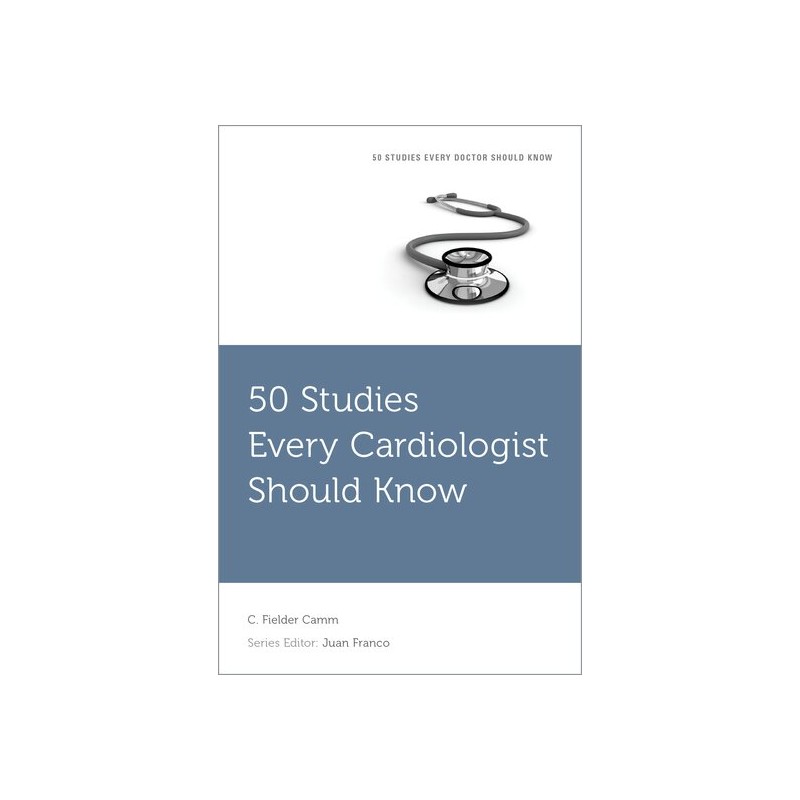
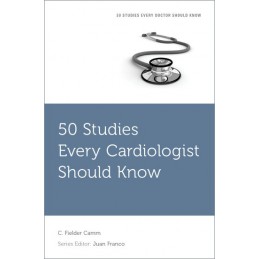
50 Studies Every Cardiologist Should Know presents a selection of seminal trials in cardiology and cardiovascular medicine, featuring historic trails that form the foundation of the specialty alongside modern trials shaping its contemporary practice. The book explores each trial in a dedicated chapter, with a concise summary of methods and results, accompanied by a clinical case that explores practical applications of the trail results.As with all books in the 50 Studies series, each study is selected using an objective selection criterion that includes citations per year, high levels of evidence, inclusion in key international guidelines, and a 3-stage Delphi review by international experts in the field. It is a must-read for cardiologists, trainees and residents, students, allied health professionals, and anyone involved in cardiovascular care or trial design.
1. Rate vs rhythm control in patients with atrial fibrillation; 2. Apixaban vs Warfarin in patients with atrial fibrillation; 3. Left atrial appendage occlusion for reducing stroke risk in those with atrial fibrillation; 4. Bridging warfarin in patients with atrial fibrillation undergoing elective surgical procedures; 5. Catheter ablation for atrial fibrillation in those with reduced systolic function; 6. Catheter ablation vs antiarrhythmic drug therapy for patients with atrial fibrillation; 7. The benefits of dual chamber vs ventricular pacing; 8. Use of antibiotic prophylaxis when implanting cardiac devices; 9. Thrombolysis and aspirin in acute myocardial infarction; 10. Class I antiarrhythmic agents after acute myocardial infarction; 11. ACE inhibitors after myocardial infarction with left ventricular dysfunction; 12. Primary PCI vs thrombolysis in acute myocardial infarction; 13. Use of Ticagrelor alongside aspirin in patients with acute coronary syndrome; 14. The role of intra-aortic balloon pump after acute myocardial infarction; 15. Radial access for angiography; 16. Immediate vs delayed angiography in patients presenting with an out of hospital cardiac arrest; 17. Proton pump inhibitors with dual antiplatelet therapy; 18. Extended dual antiplatelet therapy in patients with coronary artery stents; 19. The role of PCI in left mainstem coronary artery disease; 20. Medial therapy vs angioplasty in stable angina; 21. Should patients with ischemic left ventricular dysfunction be revascularised; 22. ACE inhibitors in heart failure; 23. The use of beta-blockers in heart failure with reduced ejection fraction; 24. Implantable cardioverting defibrillators to improve mortality in heart failure; 25. Cardiac resynchronization therapy in patients with heart failure and reduced ejection fraction; 26. Diuretic dosing and administration in acute heart failure; 27. Combined angiotensin receptor blockade and neprilysin inhibition in heart failure with reduced ejection fraction; 28. SGLT-2 inhibitors in heart failure with a reduced ejection fraction; 29. Sodium-glucose co-transporter 2 inhibitors in heart failure with preserved ejection fraction; 30. Which antihypertensive agent to initiate in those with higher cardiovascular disease risk; 31. Treatment of hypertension in those over 80 years old; 32. Intense vs Standard blood pressure control; 33. Blood pressure control to reduce risk of cardiovascular disease; 34. The efficacy of renal denervation in patients with hypertension; 35. Use of trans-catheter aortic valve implantation in those not suitable for surgical valve replacement; 36. Timing of surgery in patients with infective endocarditis and large vegetations; 37. Novel oral anticoagulants are not suitable for anticoagulating mechanical heart valves; 38. Transcatheter mitral valve repair in heart failure patients; 39. Switching to oral antibiotics in infective endocarditis; 40. Early aortic valve replacement is severe aortic stenosis without symptoms; 41. Bosentan to improve exercise capacity pulmonary artery hypertension; 42. Intravenous prostacyclin for primary pulmonary hypertension; 43. Sildenafil to improve exercise capacity pulmomary artery hypertension; 44. Effect of statin therapy on reducing cardiovascular events when used for secondary prevention; 45. Intensive vs standard lipid lowering therapy in those with acute coronary syndrome; 46. PCSK9 inhibition to reduce cardiovascular events in high-risk patients; 47. Colchicine as an adjunct to NSAID therapy in acute pericarditis; 48. Patent foramen ovale closure in patients with cryptogenic stroke; 49. Thrombectomy for acute ischaemic stroke; 50. The use of aspirin for cardiovascular disease primary prevention;
Comments (0)
Your review appreciation cannot be sent
Report comment
Are you sure that you want to report this comment?
Report sent
Your report has been submitted and will be considered by a moderator.



 Delivery policy
 Security policy
 Return policy