
• Order to parcel locker

    Order to parcel locker
  • easy pay

    easy pay
  • Reduced price
Equine Emergencies

See next edition:

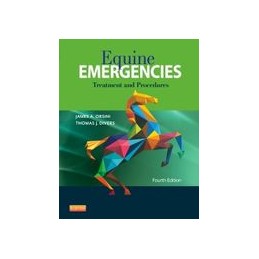
Equine Emergencies

Equine Emergencies

Treatment and Procedures

9781455708925
493.87 zł
419.79 zł Save 74.08 zł Tax included
Lowest price within 30 days before promotion: 419.79 zł
Quantity
Available in 4-6 weeks

  Delivery policy

Choose Paczkomat Inpost, Orlen Paczka, DHL, DPD or Poczta Polska. Click for more details

  Security policy

Pay with a quick bank transfer, payment card or cash on delivery. Click for more details

  Return policy

If you are a consumer, you can return the goods within 14 days. Click for more details

Description

Ideal for use in the clinic and in the field, Equine Emergencies:: Treatment and Procedures, 4th Edition, offers practical step-by-step guidelines for effectively managing a wide range of emergency situations. Thoroughly updated content keeps you informed of the latest advances in horse care in a portable, convenient format.

Product Details
Saunders
53826
9781455708925
9781455708925

Data sheet

Publication date
2014
Issue number
4
Cover
hard cover
Pages count
912
Dimensions (mm)
216 x 276
Weight (g)
2030
  • PART 1: EMERGENCY PROCEDURES AND DIAGNOSTICS
    Section I: Important Diagnostic and Therapeutic Procedures for Emergency Care
    1. Blood Collection
    2. Medication Administration and Alternative Methods of Drug Administration
    3. Intravenous Catheter Selection, Sites for Placement and Maintenance
    4. Venous Cutdown
    5. Intraosseous and Regional Perfusion
    6. Biopsy Techniques
    7. Hyperbaric Oxygen Indications in Emergencies
    8. Alternative Therapies in Emergencies: Acupuncture
    Section II: Emergency Imaging, Endoscopy, Laboratory Diagnostics and Monitoring
    9. Bacterial, Fungal and Viral Diagnostic Samples
    10. Critical and Emergency Care Monitoring Techniques
    11. Cytology
    12. Emergency Diagnostic Endoscopy
    13. Gene Testing
    14. Imaging Techniques and Indications for the Emergency Patient
    15. Laboratory Tests and Point of Care Diagnostics

    PART 2: EMERGENCY EXAMINATION AND MANAGEMENT OF ORGAN SYSTEMS
    Section I: Body and Organ Systems
    16. Blood Coagulation Disorders
    17. Cardiovascular System
    18. Gastrointestinal System
    19. Integumentary System
    20. Liver Failure, Anemia and Blood Transfusion
    21. Musculoskeletal System
    22. Nervous System
    23. Ophthalmology
    24. Reproduction System
    25. Respiratory System
    26. Urinary System
    Section II: Pregnancy, Perinatal/Neonatal Period
    27. Monitoring the Pregnant Mare
    28. Emergency Foaling
    29. Foal Resuscitation
    30. Perinatology
    31. Neonatology
    Section III: Shock, Temperature Related Problems, Systemic Inflammatory Response Syndrome and Muti-Organ Dysfunction Syndrome
    32. Shock, Systemic Inflammatory Response Syndrome (SIRS), Multi-Organ Dysfunction Syndrome (MODS)
    33. Temperature Related Problems: Hypothermia and Hyperthermia

    PART 3: TOXICOLOGY
    34. Toxicology

    PART 4: SPECIAL PROBLEM EMERGENCIES
    Section I: Special Problems
    35. Burns, Acute Soft Tissue Swellings. Pigeon Fever
    36. Caring for the Down Horse
    37. Disaster Medicine
    38. Diseases Unique to Donkeys and Miniature Horses
    39. Diseases Unique to Draft Horses
    40. Emergency Diseases Unique to Countries Outside the Continental United States
    41. Flood Injury
    42. Foot Injuries
    43. Laminitis
    44. Orthopedic Emergencies of the Racing Athlete
    45. Snake Envenomination
    46. Thoracic Trauma
    Section II: Anesthesia
    47. Anesthesia for Out-of-Hospital Emergencies
    48. Euthanasia/Humane Destruction
    49. Pain Management
    Section III: Nutrition
    50. Approach to the Feed and Starvation Emergency
    51. Nutritional Guidelines for the Injured, Hospitalized and Postsurgical Patient
    Section IV: Biosecurity
    52. Contagious and Zoonotic Diseases
    53. Standard Precautions and Infectious Disease Management

    APPENDICES
    1: Commonly Used Formulas and Calculations in Emergency Care
    2: Important Equivalents and Conversions for Clinical Practice
    3: Miscellaneous Charts and Tables Useful in Clinical Practice
    4: Reference Values
    5: Clinical Pharmacology and Emergency Drug Facts

    A. Emergency Drugs, Recommended Dosages and Adverse Drug Events
    B. Drugs for Specific Emergencies, Protocols and Clinical Situations
    Antibiotics - Concentration Dependent vs. Time Dependent Drugs
    Anesthetic Induction
    Cardio-Respiratory Resuscitation
    Cardiac Arrhythmia Drugs and Protocols
    Pharmacologic Adjuncts to Intubation
    Physical and Chemical Restraint
    Pressors
    Prokinetics
    Seizure Control
    Sepsis
    Shock
    C. Adverse Drug Events and Management
    D. Clinical Signs and Overdose Response of Commonly Used Medications and
    Recommended Treatments

See next edition:

Equine Emergencies
Comments (0)