• Order to parcel locker

    Order to parcel locker
  • easy pay

    easy pay
  • Reduced price
  • New
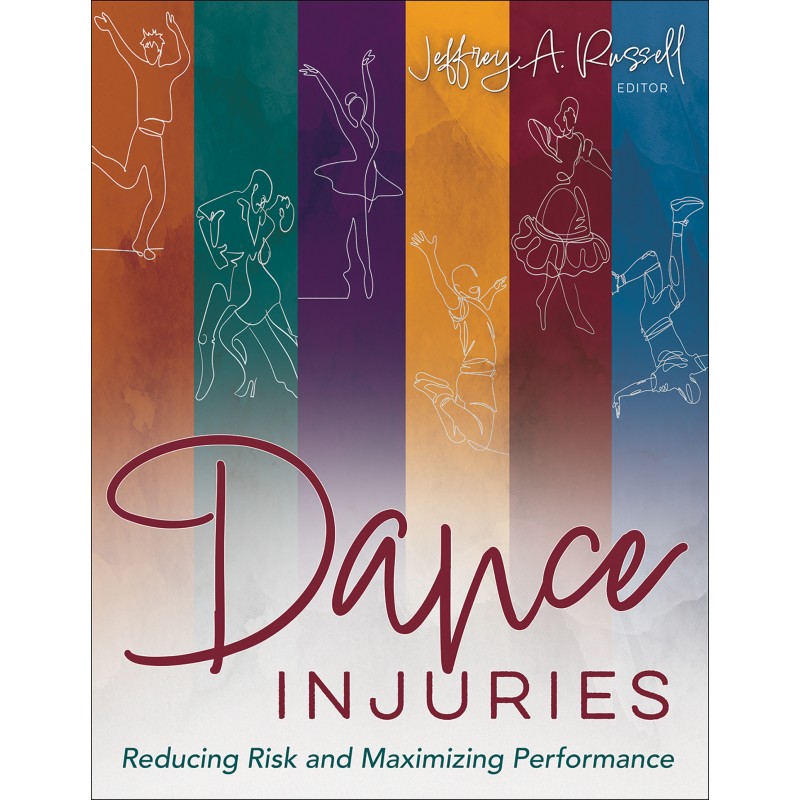
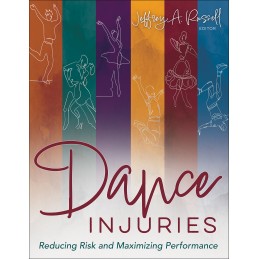
Dance Injuries: Reducing Risk and Maximizing Performance

Dance Injuries: Reducing Risk and Maximizing Performance

9781718211865
561.33 zł
533.26 zł Save 28.07 zł Tax included
Lowest price within 30 days before promotion: 533.26 zł
Quantity
Available in 7-14 days

  Delivery policy

Choose Paczkomat Inpost, Orlen Paczka, DHL, DPD or Poczta Polska. Click for more details

  Security policy

Pay with a quick bank transfer, payment card or cash on delivery. Click for more details

  Return policy

If you are a consumer, you can return the goods within 14 days. Click for more details

Description
Across dance genres, the rigors of training and performing can take a toll on a dancers mind and body, leading to injuries. Dance Injuries:: Reducing Risk and Maximizing Performance With HKPropel Access presents a holistic wellness model and in-depth coverage of how to reduce the risk of injury in dance and how to care for injuries properly when they do occur.

Written by an international team of experts in the dance medicine and science field, including physicians, athletic trainers, physical therapists, researchers, and dance educators, Dance Injuries provides an overview of common dance injuries across a wide variety of dance styles. From their extensive work with dancers, the authors provide valuable insight into minimizing dance injuries to maximize dancer longevity.

The text offers practical ways to reduce the risk of dance injuries. Conditioning, flexibility training, nutrition, hydration, recovery, and rest are addressed. Additionally, a chapter on holistic wellness helps dancers apply a wellness mindset to their training and performance.

Dance Injuries is richly illustrated with nearly 200 full-color illustrations and 150 photos to help dancers connect with the essential information the book offers. Armed with the understanding gained from the books medical diagrams, dancers will be motivated to adopt habits to reduce the likelihood of an injury.

To further augment learning, the text presents
  • strategies for accessing and interpreting scientific research on dance injuries;
  • approaches to working with various health care professionals when an injury occurs;
  • recurring special elements, sidebars, key terms, and discussion questions; and
  • resources offered online through HKPropel, including application activities, supplemental information, and coverage of niche topics connected to chapter content.
Six appendixes add to the wealth of content presented in the chapters. These provide information on international mental health resources, psychological safety in dance, screening for dancer health, disability dance and integrated dance, considerations for professional dance, and artistry and athletics.

Dance Injuries includes vital information to properly train dancers technically, physically, mentally to reduce dancers risk of injury and allow them to perform their best in dance classes, rehearsals, and performances.

Note:: A code for accessing HKPropel is included with all new print books.
Product Details
104439
9781718211865
9781718211865

Data sheet

Publication date
2024
Issue number
1
Cover
paperback
Pages count
448
Dimensions (mm)
216.00 x 279.00
Weight (g)
1202
  • Foreword
    Ruth Solomon, Professor Emerita
    John Solomon, PhD


    Preface
    Jeffrey A. Russell, PhD, ATC

    Part I. Setting the Stage for Reducing Injuries

    Chapter 1. Introduction to Injury Risk Reduction and Performance
    Caroline Bolling, PT, PhD
    Robin Kish, MS, MFA
    Jeffrey A. Russell, PhD, ATC

    Health and Wellness
    Holistic Wellness
    Applying the Holistic Wellness Model
    Intrinsic and Extrinsic Motivation
    University Dance Training
    Wellness Mindset
    Dance Injuries
    Risk Factors and Reducing Injury Risk
    Conclusions and Practical Relevance
    Discussion Questions

    Chapter 2. Injuries Across Dance Genres
    RoisÍn Cahalan, PhD
    Kelli Sharp, DPT
    Rose Schmieg, DHSc, PT, ATC

    What Is Injury?
    Injury and Pain
    Injury Risk Factors
    Mechanisms of Injury
    Injuries in Different Dance Genres
    Conclusions and Practical Relevance
    Discussion Questions

    Chapter 3. Using Scientific Research to Reduce Injury Risk and Maximize Performance
    Danielle N. Jarvis, PhD, ATC
    Sheyi Ojofeitimi, PT, DPT, OCS, CFMT
    Jatin Ambegaonkar, PhD, ATC, OT, CSCS, FIADMS

    The Scientific Method
    Typical Sections in a Primary Source Research Article
    Research Resources
    Types of Research Literature
    Approaches to Research
    Accessing Research
    Performing Arts and Non-Performing Arts Sources
    Reading Research to Evaluate Quality
    Interpreting Statistical Information
    Application of Research
    Conclusions and Practical Relevance
    Discussion Questions

    Chapter 4. Physiology of Dance Training and Performance
    Emma Redding, PhD, FIADMS
    Sarah Needham-Beck, PhD

    Cardiovascular System
    Respiratory System
    Muscle Physiology
    Energy Systems
    Physiological Demands of Dance
    Adaptations to Training Cardiorespiratory Fitness
    Testing Dancers Physical Capacities
    Conclusions and Practical Relevance
    Discussion Questions

    Part II. Care Inside and Out

    Chapter 5. Conditioning as an Injury Risk Reduction Measure
    Elaine Winslow-Redmond, MS, ATC
    Monica Lorenzo, MS, ATC
    Diane Diefenderfer

    Basic Principles of Training
    Anaerobic Training for Dance
    Aerobic Training for Dance
    Strength Training for Dance
    Building a Strength Training Program
    Hormone Cycling and Training Programming
    The Pilates Method
    Myths About Conditioning for Dancers
    Conclusions and Practical Relevance
    Discussion Questions

    Chapter 6. Flexibility Training for Injury Reduction and Performance
    Desiree A. Unsworth, PT, DPT
    Merry Lynn Morris, PhD, MFA, LMT
    Gary Galbraith, MFA

    Introduction to Flexibility
    Tissues Involved in Flexibility
    Biomechanical Properties of Tissues Impacting Flexibility
    Spinal Cord Reflexes
    Hypermobility
    Types of Stretching
    Risks of Stretching
    Methods for Flexibility Training
    Conclusions and Practical Relevance
    Discussion Questions

    Chapter 7. Nutrition, Hydration, Rest, and Recovery
    Ann F. Brown, PhD, CISSN, FIADMS
    Meghan A. Brown, PhD, FHEA, SENR
    Jasmine D. Challis, RD, MRes

    Relationship of Proper Nutrition to Whole-Person Wellness
    Macronutrients
    Micronutrients
    Hydration, Sweat Loss, and Fluid Needs
    Translating Nutrients Into Food: Reading Food Labels
    Grocery Shopping Challenges
    Basic Nutrition Recommendations for Highly Active Individuals
    Considerations for Dietary Practices
    Body Composition in Dance
    Nutritional Strategies for Injury Prevention, Recovery, and Rehabilitation
    Rest as a Necessary Component of Dance
    Conclusions and Practical Relevance
    Discussion Questions

    Chapter 8. Psychological Wellness and Mental Health
    Jo-Anne LaFl?che, MPsy, MA
    Bonnie Robson, MD, FRCPC
    Kathleen McGuire Gaines, BA

    Mental Health Statistics and Injury
    Aesthetic and Performance Ideals
    Psychological Issues in Dance Practice
    Unconstructive Life Habits
    Common Mental Health Challenges
    A Culture of Silence and Pain
    Mental Health Tools and Self-Care Measures
    Conclusions and Practical Relevance
    Discussion Questions

    Chapter 9. First Aid and Emergency Planning for the Studio and Stage
    Kevin Brown, MEd, ATC
    Melody Hrubes, MD
    Laura Santos, MS, LAT, ATC

    Role of Health and Safety in Dance Training and Performance
    Responsibility for Health and Safety
    How to Manage Emergencies as an Immediate Responder
    First Aid Knowledge for the University Dancer
    Emergency Action Planning
    Emergency Equipment
    Recommended Training for Dancers and Teachers
    Emergency Planning and Response in the Context of Whole-Person Wellness
    Conclusions and Practical Relevance
    Discussion Questions

    Chapter 10. General Principles of Caring for Injuries
    Selina Shah, MD, FACP
    Jacqui Haas, MS, ATC Ret.
    Debra Crookshanks, BSc, PT

    Types of Injuries
    Physiological Stages of Healing
    Care of Soft Tissue Injuries
    Healing Environment
    Conclusions and Practical Relevance
    Discussion Questions

    Part III. Common Dance Injuries

    Chapter 11. Dance Injuries in the Lower Extremity
    Amanda Blackmon, PT, DPT, OCS, CMTPT
    Nancy Kadel, MD
    Meg Schneider, MS, ATC

    Basic Anatomical Structure of the Lower Extremity
    Anatomical Variations in the Lower Extremity
    Injuries to the Lower Extremity
    Other Common Conditions of the Feet
    Dance Shoes and the Feet
    Conclusions and Practical Relevance
    Discussion Questions

    Chapter 12. Dance Injuries in the Upper Extremity
    Steven Karageanes, DO, FAOASM
    Amanda Donahue, MS, ATC
    Lynnette Khoo-Summers, PT, DPT

    Basic Anatomical Structure of the Upper Extremity
    Common Injuries in the Upper Extremity
    Conclusions and Practical Relevance
    Discussion Questions

    Chapter 13. Dance Injuries in the Lumbar Spine, Pelvic Floor, and Hips
    Lauren Elson, MD
    Brooke Winder, DPT
    Susan Mayes, PhD, AM

    Bones and Joints of the Lumbar Spine
    Lumbar Ligaments and Muscles
    Mechanics and Function of the Lumbar Spine
    Lumbar Dysfunction and Injury
    Pelvic Floor Anatomy
    Pelvic Floor Dysfunction and Injury
    The Core and Pressure-Management System
    Hip Anatomy
    Hip Mechanics
    Turnout
    Hip Injuries in Dance
    Conclusions and Practical Relevance
    Discussion Questions

    Chapter 14. Head Impacts, Whiplash Injuries, and Concussions in Dance
    Lauren McIntyre, ATC
    Kathleen Davenport, MD

    Basic Anatomy and Function of the Head and Brain
    Concussions
    Concussion Mechanisms in Dance
    Incidence of Concussion in Dance
    Management of Concussion in Dance
    Minimizing Risk of Concussion in Dance
    Common Head Injuries Other Than Concussions
    Conclusions and Practical Relevance
    Discussion Questions

    Part IV. Coordinated Safety and Wellness

    Chapter 15. Working Effectively With Health Care Professionals
    Tina Wang, MD
    Carina Nasrallah, MS, ATC, LAT, CISSN, PAM-C
    Gayanne Grossman, PT, EdM, BFA, FIADMS
    Jeffrey A. Russell, PhD, ATC

    Types of Health Care Providers
    The Role of Professionals Not Licensed in Health Care
    Knowing When to Pursue Professional Health Care Evaluation
    Types of Health Care Delivery Settings
    Tips for Successfully Navigating the Health Care System
    Conclusions and Practical Relevance
    Discussion Questions

    Chapter 16. Navigating Risks and Implementing Best Practices for Success in Dance
    Jennifer Deckert, MFA
    Margaret Wilson, PhD
    Jan Dunn, MS

    Environmental Risks
    Moral Safety
    Emotional and Psychosocial Considerations
    Navigating Your Identity Within the Dance Environment
    Advocacy
    How to Best Prepare Yourself for Success
    Action Items for Students
    Considerations for Educators
    Conclusions and Practical Relevance
    Discussion Questions

    Appendix A. International Mental Health Resources
    Jo-Anne La Fl?che, MPsy, MA
    Bonnie Robson, MD, FRCPC
    Kathleen McGuire Gaines, BA


    Appendix B. Psychological Safety in Dance: Emotions and Intimacy
    Misty Lown, ME-PD
    Courtney Abbott, MFA


    Appendix C. Screening for Dancer Health
    Laura Santos, MS, LAT, ATC

    Appendix D. Disability Dance and Integrated Dance: Inviting a Radical Re-Visioning
    Merry Lynn Morris, PhD, MFA

    Appendix E. Considerations for Professional Dance
    Sheyi Ojofeitimi, PT, DPT, OCS, CFMT
    Kori L. Kirschner, MS, LAT, ATC, CSCS*D


    Appendix F. Artistry and Athletics: The Rigors of College Dance Team
    Olivia Placita, BS
    Melissa McGhee, BS
Comments (0)