- Reduced price

Order to parcel locker

easy pay

 Delivery policy
Choose Paczkomat Inpost, Orlen Paczka, DHL, DPD or Poczta Polska. Click for more details
 Security policy
Pay with a quick bank transfer, payment card or cash on delivery. Click for more details
 Return policy
If you are a consumer, you can return the goods within 14 days. Click for more details
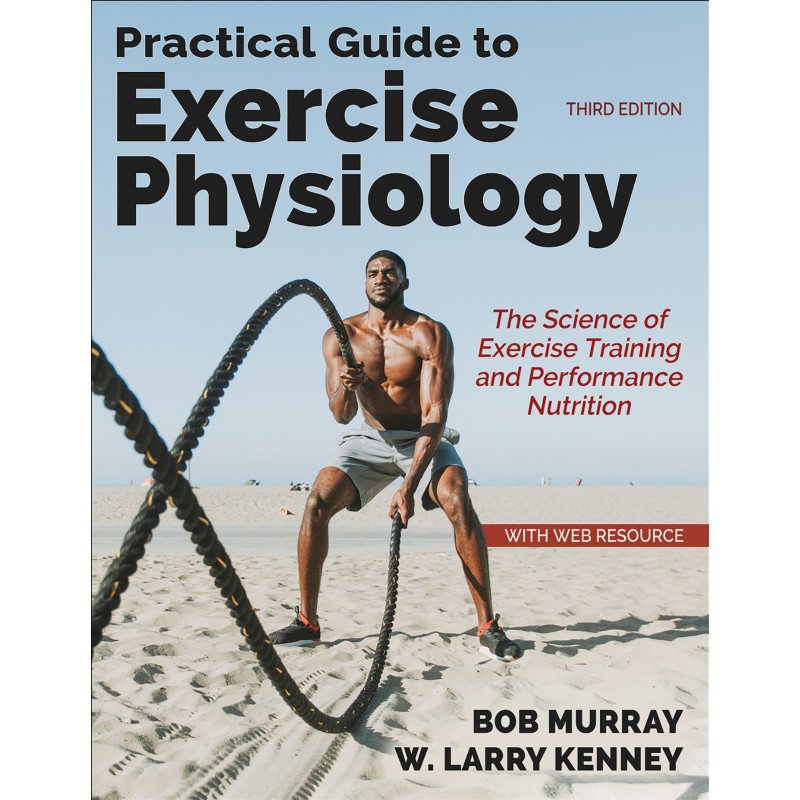
A highly visual exercise physiology resource-fully updated in this third edition.
Practical Guide to Exercise Physiology, Third Edition, takes a straightforward approach to teaching students and health and fitness professionals the fundamentals of exercise physiology, metabolism, and nutrition. Vivid medical illustrations make this a clear and easy-to-follow resource on the basic principles of exercise physiology.
The text explores trending fitness concepts such as HIIT, periodization, and retraining. The third edition of Practical Guide to Exercise Physiology has been updated throughout with user-friendly examples and new references to further support the readers learning. Key updates include these::
Bringing intricate physiological processes to life, Practical Guide to Exercise Physiology teaches readers how the body responds and adapts to physical activity. A foundation in exercise physiology prepares readers to select appropriate training programs and explain them to others. The included web resource provides 22 practical checklists available as downloadable Word documents as well as case scenarios to assist students in working with athletes and clients.
Part I reviews human physiology fundamentals, including muscles and muscle adaptation, bioenergetics, and the cardiorespiratory system. Part II applies these scientific concepts to training programs designed for specific fitness goals. These goals include weight loss and improvements in strength and muscle mass, speed and power, and aerobic endurance. Part III of the text outlines special considerations for training with pregnant women, children, and older adults.
Practical Guide to Exercise Physiology, Third Edition, will leave readers feeling confident in designing exercise programs for various populations and in their ability to explain to clients how science-based training will help them achieve their goals.
Earn continuing education credits/units! A continuing education exam that uses this book is also available. It may be purchased separately or as part of a package that includes both the book and exam.
Data sheet
Part I. Warming Up: Physiology 101
Chapter 1. Muscles Move Us
How Do Muscles Work?
How Do Muscles Adapt to Training?
How Do Muscle Cells Grow Bigger, Get Stronger, and Develop More Endurance?
Chapter 2. Food Really Is Fuel
From Food to Energy
How Do Nutrients Fuel Muscle?
What About Vitamins and Minerals?
Water Is a Nutrient Too
Chapter 3. Muscles Run on Oxygen
How Does Oxygen Get to Muscles?
How Does Oxygen Use Relate to Metabolic Rate?
How Does Training Help the Body Use More Oxygen?
Oxygen Delivery and Performance Enhancement
Chapter 4. Fatigue: What Is It Good For?
What Causes Fatigue?
Whats the Difference Between Fatigue and Overtraining?
What Role Does Fatigue Play in Adaptations to Training?
Part II. The Science of Training Program Design
Chapter 5. Personalizing Training Programs
What Are the Basics of Training Program Design?
What Makes an Effective Training Program?
Training Terms
Chapter 6. Training to Improve Muscle Strength and Muscle Mass
How Do Strength and Mass Increase?
What Is the Best Way to Gain Strength and Mass?
What About Core Training?
Whats the Role of Nutrition in Developing Strength and Mass?
Retraining and Retraining
Chapter 7. Training for Weight Loss and Body Weight Control
Weight Loss Is All About Energy Balance
Why Do Many People Have Difficulty Losing Weight?
Whats the Best Way to Lose Fat but Protect Muscle Mass?
Chapter 8. Training for Speed, Power, and Athleticism
What Are Speed, Power, and Athleticism?
What Adaptations Are Needed to Improve Speed, Power, and Athleticism?
What Kinds of Training Improve Speed, Power, and Athleticism?
Dietary Supplements for Speed, Power, and Athleticism
Chapter 9. Training for Aerobic Endurance
What Are the Main Adaptations to Aerobic Training?
Whats the Best Way to Improve Aerobic Endurance?
Should Endurance Athletes Engage in Strength Training?
Why Is Endurance Capacity Important for Sprinters and Team-Sport Athletes?
Part III. Special Considerations
Chapter 10. Adapting to Exercise in Heat, in the Cold, and at Altitude
Overheating Impairs Performance
Cold Stress Chills Performance
Exercise at Altitude
Chapter 11. Training Children and Adolescents
Do Children Respond Differently to Exercise Training?
Can Children Improve Strength With Training?
What Are the Safe Limits for Training in Children?
Chapter 12. Training Pregnant and Postpartum Women
What Changes Occur in a Womans Body During Pregnancy?
What Are the Health Risks Associated With Exercise During Pregnancy?
Should Women Exercise During Pregnancy?
Chapter 13. Training Older Adults for Functional Fitness
What Changes With Aging?
How Can Exercise Training Benefit Older Adults?
What Considerations Should Be Part of Training for Older Adults?
Chapter 14. Training Masters Athletes
How Does Age Affect Performance Capacity?
Do Masters Athletes Respond Differently to Training and Detraining?
How Do Masters Athletes Respond to Strength Training?
Do Masters Athletes Require More Time for Recovery?
Do Masters Athletes Have Special Nutrition Needs?
Are Masters Athletes Prone to Heart Problems?
Are Masters Athletes More Susceptible to Environmental Stress?
Do Masters Athletes Require More Sleep?