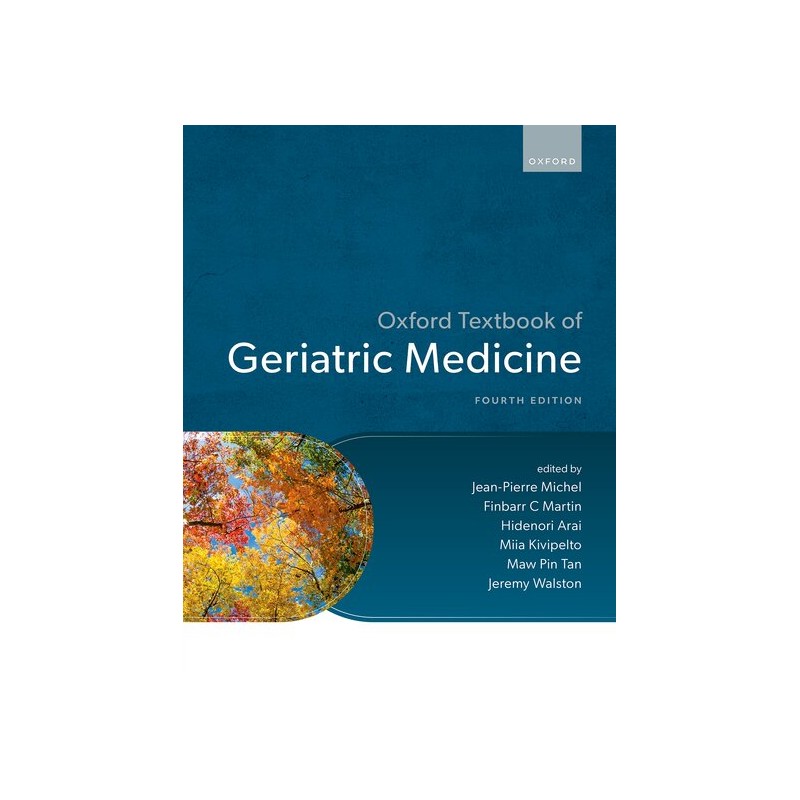
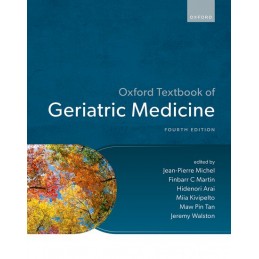
Geriatric Medicine is the largest medical specialty and is continuing to grow to cater for the needs of an ageing population. The specialty has come to the forefront of conversations on existing healthcare systems and models of care, sparking discussions on healthy ageing, ageism, and the role of geriatricians.The Oxford Textbook of Geriatric Medicine is the leading global textbook on the science and practice of geriatric medicine. It serves as a comprehensive reference, bringing together theoretical and practical aspects of geriatric medicine and care of older adults. This new edition has been fully updated by hundreds of experts, representing over 50 countries and every region of the world. Over 170 chapters are divided into 10 sections, covering topics ranging from clinical problems to psychological, philosophical, and social issues. New features include the developments in geroscience, emerging issues such as the health impacts of climate change, demographic transitions and humanitarian crises on older people. Building on the previous edition, the psychosocial and organizational issues that enable successful multidisciplinary practice are expanded to include more on teamwork,person-centred care, age-friendly design of clinical spaces, and the application of CGA in specific clinical settings. Standard accounts of all organ diseases with a geriatrics twist are avoided, in favour of more selective coverage and a focus on how aging physiology, frailty, and multimorbidityimpact clinical management and the future promise of geroscience developments.The Oxford Textbook of Geriatric Medicine, fourth edition provides all physician involved in the care of older patients with an authoritative, fully comprehensive resource on the physical and mental health conditions encountered in older people and in all clinical contexts.
Section 1 - Emerging issues in an ageing world; The Demography of Global Population Ageing; Ageing in low- and middle-income countries; Migration and older adults; Humanitarian health and old populations; The impact of climate change and its planetary consequences on health, mental health, and the healthcare system; One health, pandemics, and risk factors; Social isolation, loneliness, and health; Ageism, intergenerational relationships, and empowerment; Mistreatment: Elder abuse and neglect; Health policy responses to population ageing in low and middle-income Countries; Human rights, ethical, and legal issues; Section 2 - Connecting biology of ageing with biology of diseases; Why do organisms age?; Molecular ageing and emerging geroscience treatment; Mitochondrial Quantity and Quality in Chronic Conditions of Older Adults; Age-related physiological changes and ageing phenotypes; Immunosenesence and Infections; Chronic Inflammation and its influence on ageing phenotypes; Ageing and the gut microbiome; Biomarkers of ageing; Section 3 - Healthy ageing and maintenance of wellbeing; A life-course approach to healthy ageing; Healthy nutrition: Protein and energy requirements; Physical activities and mobility throughout life; Psychological constructs associated with maintenance of social, cognitive and emotional health and wellbeing later in life; Preserving vision along the life course; Ageing and hearing health: The life-course approach; Preserving mouth hygiene and oral health: a life course approach; Preserving external appearance, skin ageing, aesthetic, and plastic surgery; Healthy ageing and vaccines; Early detection and screening of cancer; Midlife prevention of chronic diseases and age-related disability; Intimacy and sexual ageing; Built and social environment to favour healthy ageing; Precision prevention and well being; State of Health of Older People; Section 4A - Care and treatment principles for older adults; Communication and obtaining an accurate history; The clinical examination; The remote consultation; Assessment Tools: principles and practical applications; Comprehensive Geriatric Assessment: Principles and practice; Shared decision making and patient-centered care; Pharmacology of ageing; Medications safety, management, and optimization; Section 4B - Organisation and delivery of care for older adults; Interprofessional Team Working; Age-attuned acute care environments; Integrated healthcare in the community; The older person needing urgent or emergency care; The older patient in high dependency and intensive care; Peri-operative assessment and management; Innovations in surgical approaches for the older patient; Post-acute recovery and avoidance of readmissions; Geriatric Rehabilitation: Principles and new technologies; Therapeutic Exercise for preventing falls and preserving functional ability; Section 4C - Long-term care and support of older adults; Ageing in place: Challenges and new opportunities; Managing medical problems in long-term care; Enhancing the quality of long-term care; Section 5 - Mild cognitive impairments and dementias in the older adult; Cognitive ageing; Epidemiology of neurodegenerative disorders in later life; Modifiable risk factors of cognitive impairment; From single domain to multidomain interventions to prevent dementia; Early detection and assessment of prodromal biomarkers of cognitive decline (includes MCI); Precision Brain Health and Aging Well; Assessment and diagnosis of Alzheimers disease; Assessment of other dementias and mixed pathologies; Pharmacological interventions in Alzheimers disease and other dementias; Co-morbidities in patients with dementia; Behavioural and psychological symptoms of dementia (BPSD)/distress; Empowerment and support of caregivers in dementia care; Driving abilities and cognitive decline; Section 6 - Major Geriatric syndromes; Pathophysiological mechanisms of Geriatric Syndromes; Section 6A - Major Geriatric syndromes: Frailty; Conceptualization, measurement, and clinical utility of frailty; Physical frailty and its biology; Frailty, vulnerability, and resilience across systems; Section 6B - Major Geriatric syndromes: Sarcopenia; Sarcopenia: Definitions, diagnosis, and epidemiology; Pathophysiology of Sarcopenia; Interventions for Sarcopenia; Section 6D - Major Geriatric syndromes: Falls and Postural Stability; Gait disorders; Dizziness, vertigo, and vestibular disorders; Falls: Causes, risk factors and prediction; Falls: Prevention and management in community dwelling older adults; Falls: Management in clinical settings and in specific conditions; Section 6D - Major Geriatric syndromes: Delirium; Definitions and clinical assessment of delirium; Epidemiology and consequences of delirium (inc dementia); Pathophysiology of delirium; Prevention and management in clinical contexts; Section 6E - Major Geriatric syndromes: Urinary Incontinence; Urinary incontinence: epidemiology, causes and impacts (includes pathophysiology); Assessment and management of urinary incontinence; Section 6F - Major Geriatric syndromes: Pressure Ulcers; Epidemiology and impact on individuals and society; Prevention and management of Pressure Ulcers; Section 7 - Nutrition and metabolic disorders; Nutritional Issues of Older Adults; Nutrition screening and assessment in community, acute and long-term care; Epidemiology of malnutrition in different care settings; Anorexia of ageing; Vitamin D: its role in health and disease in older people; Micronutrients: Their role in health and disease; Dyslipidemia; Oral and parenteral nutrition interventions; Obesity, sarcopenic obesity, and metabolic syndrome; Epidemiology and pathophysiology of diabetes; Management of diabetes; Section 8A - Clinical conditions and presentations in older adults : Musculoskeletal; Fragility fractures: Epidemiology and consequences; Pathophysiology and management of osteoporosis; Management of common fractures; Orthogeriatrics; Prevention of fragility fractures: Case finding, assessment and management; Inflammatory arthritis, polymyalgia, giant cell arthritis, and connective tissue diseases; Osteoarthritis; Back Pain and spinal disorders including cervical spondylosis; Foot problems; Practice of sport and general physical activities: Safety and risks; Section 8B - Clinical conditions and presentations in older adults: Cardio-vascular ageing and diseases; Syncope; Hypertension; Ischemic heart disease; Valvular diseases; Atrial fibrillation and other common arrhythmias; Pacemakers and ICDs; Heart failure; Cardiac emergencies and resuscitation; Aortic and peripheral arterial diseases; Venous stasis and thromboembolic diseases; Section 8C: Clinical conditions and presentations in older adults: Neurological disorders in older adults; Peripheral neuropathies and related disorders; Headaches and facial pain; Head injury; Seizure disorders and management; Parkinson Disease and movement disorders; Stroke: Epidemiology and prevention; Stroke: Acute management; Stroke and neurological rehabilitation; Fatigue; Sleep and sleep-related disorders; Section 8D - Clinical conditions and presentations in older adults: Endocrine disorders in older adults; Thyroid dysfunctions; Sex Hormone deficiencies; Section 8E - Clinical conditions and presentations in older adults: Mental health issues in older adults; Later life depression: Pharmacological and non-pharmacological interventions; Anxiety disorders; Hallucinations and delusions; Alcohol and Substance Misuse; Suicide in old age; Section 8F: Clinical conditions and presentations in older adults : Renal and Urological Dysfunctions in older adults; Acute kidney injury and chronic kidney disease; Common issues in dialysis; Benign and malignant Prostate diseases; Urologic and andrological disorders; Section 8G - Clinical conditions and presentations in older adults: Gastronintestinal and liver pathologies in older adults; Constipation and faecal incontinence; Malabsorption and diarrhoea; Dysphagia and other common upper gastrointestinal disorders; Liver Diseases in Older People; Section 8H: Clinical conditions and presentations in older adults: Lung and respiratory diseases in older adults; Breathlessness; Obstructive lung diseases; Restrictive lung disorders; Section 8I - Clinical conditions and presentations in older adults : Anaemia and haemopoietic disorders in older adults; Epidemiology and management of anaemia; Anaemia in cancer and chronic diseases; Myeloproliferative disorders; Leukaemias, lymphomas, and myeloma; Section 8J - Clinical conditions and presentations in older adults: Solid cancers in older adults; Multidisciplinary approach to cancer care; Most frequent solid tumours in older patients; Supportive care in onco-geriatric patients; Basis of treatments for solid cancers; Emerging treatments for solid cancers; Section 8K - Clinical conditions and presentations in older adults: Infectious diseases and older adults; Viral and bacterial respiratory infections; Urinary tract infections: Specific characteristics and updated treatment options; Skin infections; Tuberculosis; HIV, antiretroviral treatments and ageing; Specific features of COVID-19 in the older population; Epidemiology and management of Health care associated infections; Antimicrobial stewardship; Vaccine Preventable diseases in older adults: Present and future; Infections, neuroinflammation and vaccines; Section 9 - Palliative medicine and end-of-life care; Worldwide perspectives on palliative and end of life care; Assessment and management of persistent pain; Cancer trajectories and palliative care; Advanced organ failures trajectories and palliative care; Advanced dementia trajectories and palliative care; Supporting older people nearing the end of life: bio-psycho-social and spiritual considerations; The approach of dying and death, and the mourning process of the survivors; Law, culture, spirituality, dignity, and end-of-life decisions; Section 10 - Education and research to improve clinical care; Research with and about older adults: theoretical and practical challenges; Research using big data from longitudinal studies and clinical sources; Knowledge into Clinical Practice. Evidence, guidance and challenges; Educating the workforce; Conclusion;
Comments (0)
Your review appreciation cannot be sent
Report comment
Are you sure that you want to report this comment?
Report sent
Your report has been submitted and will be considered by a moderator.



 Delivery policy
 Security policy
 Return policy