• Order to parcel locker

    Order to parcel locker
  • easy pay

    easy pay
  • Reduced price
  • New
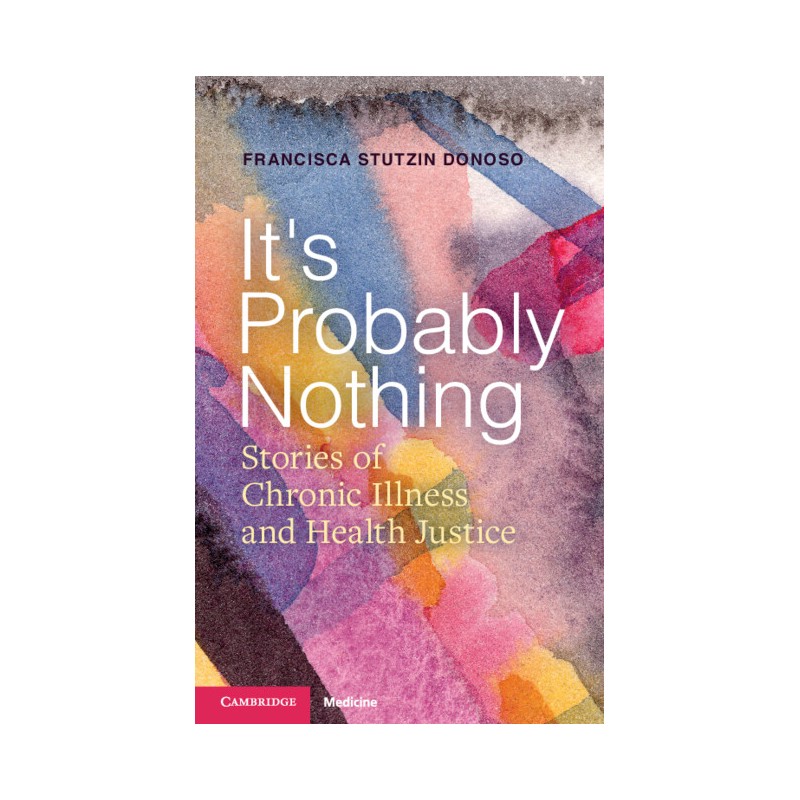
It's Probably Nothing: Stories of Chronic Illness and Health Justice

It's Probably Nothing: Stories of Chronic Illness and Health Justice

9781009603881
170.10 zł
153.09 zł Save 17.01 zł Tax included
Lowest price within 30 days before promotion: 153.09 zł
Quantity
Teaser
2026-09-30

  Delivery policy

Choose Paczkomat Inpost, Orlen Paczka, DHL, DPD or Poczta Polska. Click for more details

  Security policy

Pay with a quick bank transfer, payment card or cash on delivery. Click for more details

  Return policy

If you are a consumer, you can return the goods within 14 days. Click for more details

Description
Why do health inequalities persist even in systems promising universal coverage? A key reason is the hidden challenge of long-term treatment adherence. When patients struggle to stay on track, existing inequalities deepen. But is strict adherence always the best route to wellbeing? Life brings competing priorities, and treatment should not eclipse everything else-yet structural injustices often leave disadvantaged patients with few options. This book explores the lived reality of chronic illness, revealing how healthcare can support patients in balancing treatment with everyday demands. It emphasises person-centered care, highlighting the fragility of illness and the need for socially aware support beyond clinical routines. At its core is a bold ethical framework for chronic care, urging shared responsibility to address cumulative disadvantage. Thought-provoking and timely, this book challenges assumptions and offers a vision for care that is humane, equitable, and ethically grounded.
Product Details
104987
9781009603881
9781009603881

Data sheet

Publication date
2026
Issue number
1
Cover
paperback
Pages count
175
  • Part I. Learning from Experience: 1. Chronic diseases and social inequalities in health; 2. Stories of chronic disease; Part II. Its All About the Temporality: 3. The experience of chronicity; 4. The balancing act of life with chronic disease; Part III. The Emotional Spaces of Chronicity; 5. Ruptures in belonging and the value of social networks; 6. Who is in charge and why does it matter? Control versus agency in chronic.
Comments (0)