Description
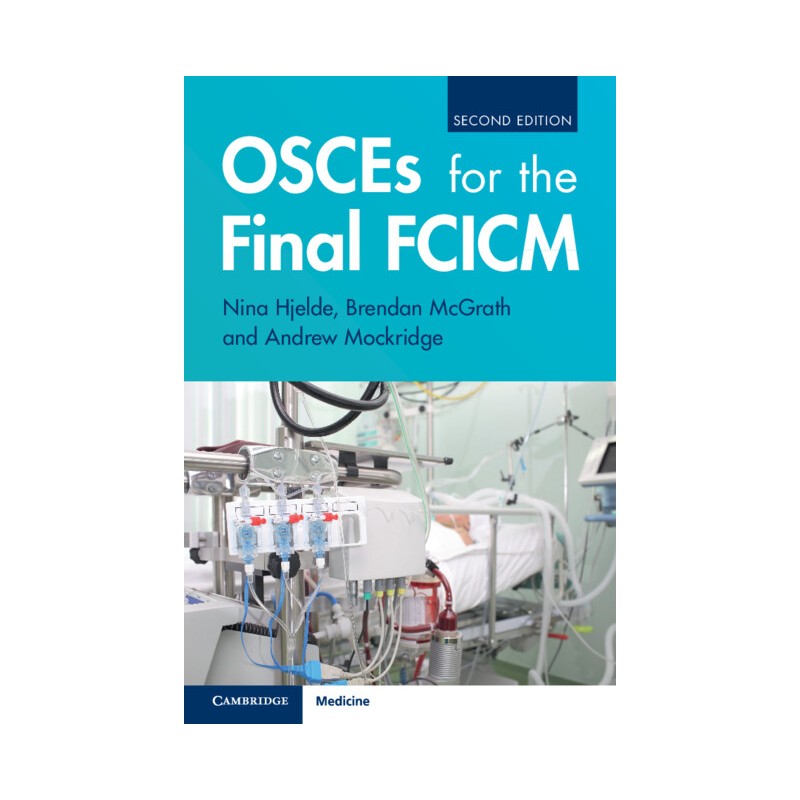
This essential new edition study guide includes in-depth coverage of past FFICM exam material, offering an invaluable resource for trainees preparing for the OSCE examination in intensive care medicine. The structured layout gives the reader clear and convenient access to a wealth of model questions and answers ideal for both quick-fire practice or more detailed study. Featuring over 100 completely new questions, the book covers data interpretation, equipment, imaging, ECG, ethics and communication and simulation. Questions are matched to the curriculum and a sample marking scheme is provided to assist with exam preparation. This enhanced edition focuses on key topics, realistic question formats and exam technique with new simulation, ECG and imaging scenarios. Written in a style that allows the reader to quickly pick out salient points but also with sufficient background material to enhance the learning experience and save valuable revision time.
Product Details
Reference
104980
EAN13
9781009381505
ISBN
9781009381505
Data sheet
Publication date
2026
Issue number
2
Cover
paperback
Pages count
614
Foreword Sarah Thornton; Preface; Introduction; Section 1. Data: Data Introduction; 1. Acid base; 2. Methaemoglobin; 3. Infective diarrhoea; 4. Burns; 5. Ruptured diaphragm; 6. Post cardiac arrest care; 7. Necrotising Fasciitis; 8. Acute respiratory distress syndrome; 9. SARS-CoV-2; 10. Hyponatraemia; 11. Chest drain in liver; 12. Immune thrombocytopenia; 13. Serotonin syndrome; 14. Propofol infusion syndrome; 15. Guillain-Barre Syndrome; 16. Post-partum haemorrhage; 17. Panton-Valentine leukocidin (PVL) pneumonia; 18. Sepsis; 19. Ventilator associated pneumonia; 20. Refeeding; 21. Acute coronary syndrome; 22. Thrombotic thrombocytopenic purpura; 23. Subarachnoid haemorrhage; 24. Oesophagectomy; 25. Pulmonary embolism; 26. Heparin-induced thrombocytopenia; 27. Death by neurological criteria; 28. Overdose; 29. Chest pain; 30. Intra-abdominal hypertension; 31. Selective digestive decontamination; 32. Bone marrow transplant; 33. Acute Kidney Injury; 34. Bronchopleural fistula; 35. Myasthenia gravis; 36. Right ventricular infarct; 37. Rhabdomyolysis; 38. Stroke; 39. Acute leukaemia; 40. Diabetic ketoacidosis; 41. Failure to wean; 42. Pleural effusion; 43. Drug reactions; 44. Acute liver failure; 45. Upper gastrointestinal bleed; 46. Anticholinergic syndrome; 47. Leptospirosis; 48. Human immunodeficiency virus; 49. Digoxin toxicity; 50. Pancreatitis; 51. Adrenal insufficiency; 52. Major haemorrhage; 53. Ethylene glycol poisoning; 54. Amniotic fluid embolism; 55. Mitral stenosis in pregnancy; 56. Pre-eclampsia; 57. Obstetric sepsis; 58. Hyperosmolar hyperglycemic state; 59. Fat embolism syndrome; 60. Resuscitative thoracotomy; 61. Anaphylaxis; 62. Hemophagocytic lymphohistiocytosis; 63. Toxic shock syndrome; 64. Spontaneous bacterial peritonitis; 65. Paediatric diabetes; 66. Local anaesthetic systemic toxicity; 67. Rib fractures; 68. Lithium toxicity; 69. Acute on chronic liver failure; 70. Toxic epidermal necrolysis; 71. Bronchiolitis; 72. Post-operative care; 73. Lung Ultrasound; 74. ST elevation myocardial infarction; 75. Cardiogenic shock; 76. Lactic acidosis; 77. Calcium channel blocker overdose; 78. Eye care; 79. Euglycaemic ketoacidosis; 80. Meningococcal sepsis; 81. Multi-drug resistant infections; Section 2. Equipment: 82. Arterial lines; 83. Tracheostomy weaning; 84. Bronchoscopy; 85. Cooling devices; 86. Regional citrate anticoagulation; 87. Naso-gastric tubes; 88. Non-invasive ventilation; 89. Cardiac output monitoring; 90. Central lines; 91. Spinal needles; 92. Capnography; 93. Patient transfer; 94. Tracheostomies; 95. Central lines; 96. Haemofiltration; 97. Intra-aortic balloon pump; 98. Pulmonary function tests; 99. Epidural management; 100. Asthma ventilation; 101. Rapid infusion system; 102. High-flow nasal oxygen; 103. Airway pressure release ventilation; 104. Speaking valves; 105. Double lumen tubes; 106. Gastro-oesophageal balloon tamponade; 107. Faecal management system; Section 3. Imaging: Imaging introduction; 108. Pleural effusion CXR; 109. Lung cancer imaging; 110. Ventricular assist devices CXR; 111. Neck mass CT; 112. Pneumonia CXR; 113. Pleural disease imaging; 114. ECMO CXR; 115. Bowel problem AXR; 116. Multiple lines CXR; 117. Sarcoid CXR; 118. Raised diaphragm CXR; 119. Pneumothorax CXR; 120. Lung mass imaging; 121. Pacemaker CXR; 122. Empyema CXR; 123. Hypoxia CXR; 124. Shortness of breath CXR; 125. Flu CXR; 126. Barium swallow; 127. Thrombectomy DSA; 128. Interventional radiology image; 129. Port-a-cath CXR; 130. CT Brain after collapse; 131. MRI brain; 132. AVR problems; 133. Heart failure; 134. Syncope; 135. Multi-organ failure; 136. TIAs; 137. Post central line; 138. Pneumonia; 139. Shortness of breath; Section 4. ECG: ECG introduction; 140. MI; 141. Atrial flutter; 142. Junctional rhythm; 143. Bradycardia; 144. Congenital heart disease; 145. Palpitations; 146. Collapse in the street; 14



 Delivery policy
 Security policy
 Return policy