Opis
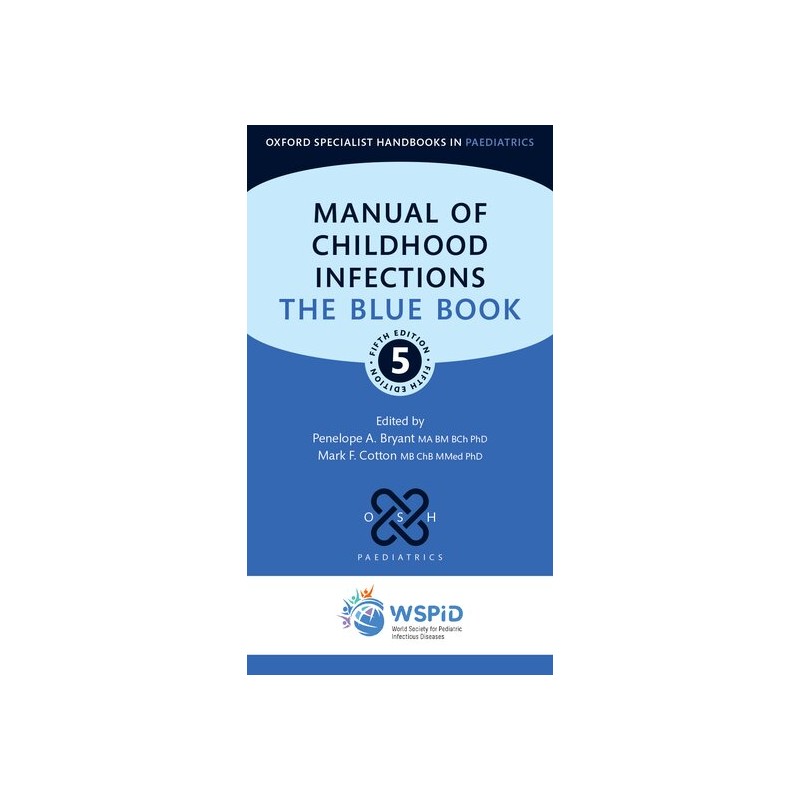
Trusted by paediatricians around the world, the Manual of Childhood Infections, also known as the Blue Book, returns in a fully updated fifth edition. This essential handbook brings together global expertise to deliver fast, reliable answers for anyone caring for children with infectious diseases. Written by specialists from all WHO regions, it reflects real-world practice across diverse settings, including guidance tailored to resource-limited settings.With 130 concise, clinically focused chapters, the handbook offers an evidence-based approach to every major childhood infection. Each chapter provides at-a-glance support for busy clinicians broken down into global epidemiology, transmission and incubation periods, typical and atypical presentations, diagnosis, management, antimicrobial and supportive care, outcomes, prevention, whats new, and whats next, all in a clear bullet-point format designed for rapid consultation.Covering everything from common infections to emerging threats and neglected tropical diseases, this edition equips healthcare professionals with the knowledge they need to deliver safe, effective care anywhere in the world and remains the indispensable companion for clinicians treating infants, children, and adolescents with infectious diseases.
Szczegóły produktu
Indeks
105229
EAN13
9780192865038
ISBN
9780192865038
Opis
Rok wydania
2027
Numer wydania
5
Oprawa
miękka foliowana
Liczba stron
1296
Wymiary (mm)
100 x 180
Section 1 - Antimicrobial treatment of infections; Antibacterials; Antivirals; Antifungals; Antiparasitics; Antimicrobial resistance; Antimicrobial stewardship; Optimising antimicrobials for children; Section 2 - Prevention of infections; Childhood immunisations; Vaccine hesitancy; Immunisation in immuncompromised children; Infection prevention and control in hospital & community; Emerging infections and pandemic preparedness; Laboratory diagnosis of infection; Section 3 - Infections in particular groups; Approach to infection management in resource-limited settings; Neonatal infections; Immunocompromised children; Infections in malnourished children; Children with cystic fibrosis/bronchiectasis; Children visiting and arriving from other countries to high income settings; Children who are refugees or in disasters in resource-limited settings; Section 4 - Clinical infection presentations; Broad presentation; Sepsis; Toxic shock syndrome; Central-line-associated bloodstream infection; Haemolytic uraemic syndrome; Rash; Pyrexia of unknown origin; Periodic fever; Rheumatic fever; Kawasaki disease; Congenital infection; Recurrent or unusual infections; Animal bites, burns and trauma infections; Post-infectious chronic fatigue syndrome; Organ-specific presentation; Meningitis; Encephalitis & myelitis; Brain abscess/empyema/VP shunt infection; Conjunctivitis; Ocular infections; Ear and mastoid infection; Lymphadenopathy; Upper respiratory tract infection; Lower respiratory tract infection; Cardiac infections - endocarditis/myocarditis/pericarditis; Gastroenteritis; Intra-abdominal infection/Peritonitis (including liver abscess); Urinary tract infection; Sexually-transmitted infection; Bone and joint infection; Skin and soft tissue infection; Surgical site infections; Section 5 - Specific pathogens or groups of pathogens; Adenovirus; Amoebiasis; Anaerobic infections; Arthropod-borne viruses; Aspergillosis and other moulds; Atypical pneumonia (Mycoplasma, Chlamydia and Legionella); Botulism; Brucellosis; Campylobacter; Candidiasis; Cat scratch disease; Cholera; Clostridioides difficile; COVID-19; Cryptococcosis; Cryptosporidiosis; Cytomegalovirus; Dengue; Diphtheria; Ebola and other haemorrhagic fevers; Enterobacterales and gram-negative infections; Enteroviruses and parechovirus; Epstein-Barr virus; Giardiasis; Haemophilus influenzae; Helicobacter pylori; Helminthiasis: cestodes (tapeworms); Helminthiasis: soil-borne intestinal nematodes (worms); Helminthiasis: trematodes and tissue nematodes (flukes & filaria); Hepatitis A & E; Hepatitis B; Hepatitis C; Herpes simplex; Histoplasmosis, coccidiomycosis & paracoccidiomycosis; HIV; Human herpes virus 6 and 7; Influenza and parainfluenza; Leishmaniasis; Leprosy/pinta/yaws; Leptospirosis; Listeriosis; Lyme disease and other Borrelia infections; Malaria; Measles; Melioidosis; Meningococcal infection; Mumps & parotitis; Non-tuberculous mycobacterial infection; Parvovirus B19; Pertussis; Pneumocystis jirovecii pneumonia; Poliomyelitis; Poxviruses; Q fever; Rabies; Respiratory syncytial virus; Rickettsial infections; Rubella; Salmonellosis; Scabies and head lice; Schistosomiasis; Shigellosis; Staphylococcal infection; Streptococcal infection - group A streptococcus; Streptococcal infection - group B streptococcus; Streptococcal infection - pneumococcus; Syphillis; Tetanus; Tick-borne infections; Tinea capitis, corporis, pedis; Toxocariasis; Toxoplasmosis; Trypanosomiasis (African and American); Tuberculosis; Typhoid and paratyphoid; Varicella; Yellow fever; Yersinia infections including plague; Zika; Zoonoses; Appendices; Antibiotic duration guideline; WHO antibiotic access list; HIV PEP; List of notifiable diseases;




 Dostawa
 Płatność
 Zwroty