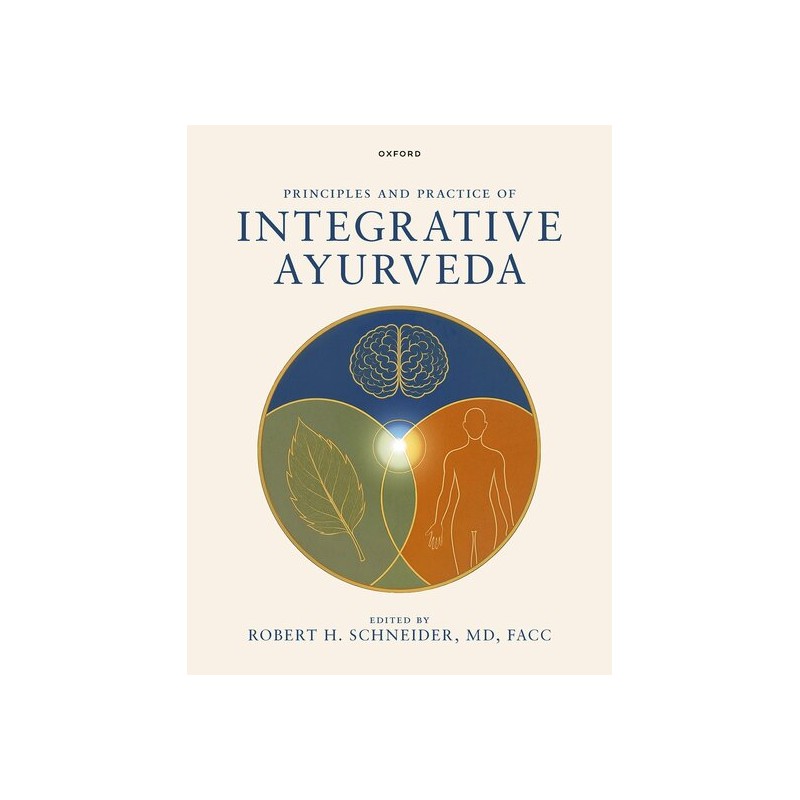
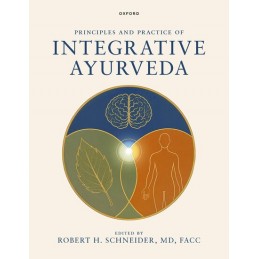
Principles and Practice of Integrative Ayurveda presents a comprehensive, systems-based introduction to Integrative Ayurveda, weaving together classical Ayurvedic knowledge with contemporary biomedical science. Designed for healthcare professionals, students, and researchers, the book provides a detailed exploration of foundational principles, diagnostic frameworks, therapeutic strategies, and disease-specific care through the lens of mind-body-spirit integration. The first chapters establish core Ayurvedic concepts - doshas, dhatus, agni, srotas, and ojas; prakriti (mind-body type) and vikriti (current imbalances), while introducing the integrative model that connects physiology with consciousness. Diagnostic methods highlight classical techniques of clinical interview and physical examination. Treatment modalities are broad and personalized, spanning dietary guidance, lifestyle rhythms,mind-body therapies, herbal pharmacology, panchakarma, marma therapy, and traditional Vedic meditation, ie Transcendental Meditation. Subsequent chapters apply this integrative framework across major body systems and clinical conditions, including musculoskeletal, cardiovascular, respiratory, gastrointestinal, neurological, endocrine, reproductive, immune, sensory, skin, pediatric, and gerontology and geriatric care. Special topics include Ayurgenomics, chronobiology, the microbiome, Vastu (healthy architecture), and the integration of modern research with Ayurvedic principles. Throughout, the text emphasizes prevention, individualized care, ecological alignment, and the central role of consciousness in health. Tables and evidence-informed guidance bridge traditional wisdom and modern application. The chapters synthesize Ayurvedas holistic worldview with advances in physiology and systems medicine, offering a roadmap for integrative, whole person health.
Table of Figures; Contributors; Foreword I - Dr. Nader; Foreword II - Dr. Patwardhan; Introduction - Dr. Schneider; Part I - Basic Principles of Integrative Ayurveda; 1- The Paradox of Modern Healthcare and a New Paradigm of Medicine; 2 - Health is Wholeness: The Paradigm of Integrative Ayurveda; 3 - Anatomy and Physiology I: Doshas and Mind-Body Types; 4 - Anatomy and Physiology II: Agni, Dhatus, and Srotas; 5 - Prevention; 6 - Pathology I: Pathogenesis of Disease; 7 - Pathology II: Pathophysiology; 8 - Qualities of the Physician and Therapeutic Relationship; 9 - Diagnostic Methods; 10 - Ayurvedic Pulse Assessment; 11 - Treatment Methods; 12 - Pharmacology; 13 - Physiological Purification Procedures - Panchakarma; Part II - Clinical Applications to Disorders of the Organ Systems; 14 - Musculoskeletal System Disorders; 15 - Cardiovascular and Renal System I: Cardiovascular Disorders; 16 - Cardiovascular and Renal System II: Disorders of the Renal System; 17 - Gastrointestinal System Disorders; 18 - Pulmonary System Disorders; 19 - Articular System Disorders; 20 - Endocrine and Reproductive Systems I: Endocrine System Disorders; 21 - Endocrine and Reproductive Systems II: Reproductive System Disorders; 22 - Immune and Hematologic Systems Disorders; 23 - Nervous System Disorders I: Neurology; 24 - Nervous System Disorders II: Mental Health; 25 - Nervous System Disorders III: Eyes, Ears, Oral Health; 26 - Nervous System Disorders IV: Skin; 27 - Geriatrics: Aging, Longevity, Palliative and End of Life Care; 28 - Pediatric Disorders; Part III - Special Topics; 29 - Modern Scientific Correlates of Ayurveda: Chronobiology, Microbiome, and Genomics; 30 - Healthy Architecture: Vastu; 31 - Marma Therapy; Appendices; I. Chapter Notes - Selected References; II. Glossary; III. Clinical Forms; IV. Classical Herbs; V. MAPI Herbs; VI. Resources; VII. Service Marks; Index; Acknowledgments;
Komentarze (0)
Chwilowo nie możesz polubić tej opinii
Zgłoś komentarz
Czy jesteś pewien, że chcesz zgłosić ten komentarz?
Zgłoszenie wysłane
Twój komentarz został wysłany i będzie widoczny po zatwierdzeniu przez moderatora.




 Dostawa
 Płatność
 Zwroty