• Zamawiaj do paczkomatu
  • Płać wygodnie
  • Obniżka
  • Nowy
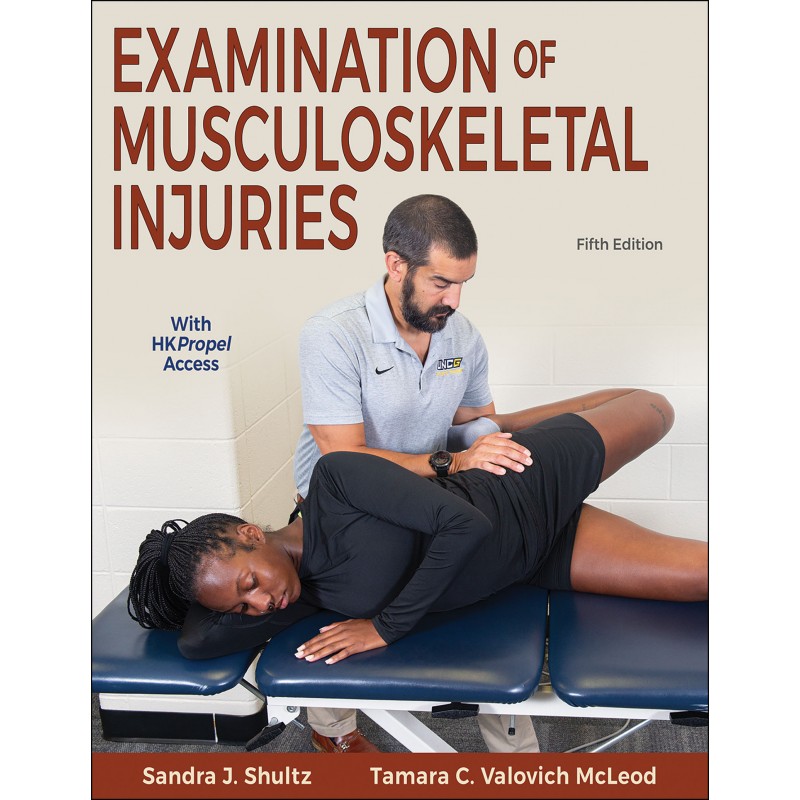
Examination of Musculoskeletal Injuries

Examination of Musculoskeletal Injuries

9781718228313
623,70 zł
592,51 zł Zniżka 31,19 zł Brutto
Najniższa cena w okresie 30 dni przed promocją: 592,51 zł
Ilość
Od 7 do 14 dni roboczych

  Dostawa

Wybierz Paczkomat Inpost, Orlen Paczkę, DHL, DPD, Pocztę, email (dla ebooków). Kliknij po więcej

  Płatność

Zapłać szybkim przelewem, kartą płatniczą lub za pobraniem. Kliknij po więcej szczegółów

  Zwroty

Jeżeli jesteś konsumentem możesz zwrócić towar w ciągu 14 dni*. Kliknij po więcej szczegółów

Opis
Examination of Musculoskeletal Injuries, Fifth Edition With HKPropel Access, guides athletic trainers and health care professionals through the examination and diagnosis of musculoskeletal injuries, both on and off the field. Integrating updates from the fifth edition of the Athletic Training Educational Competencies, the text addresses several areas of clinical practice that students must master to pass the Board of Certification (BOC) examination. The text also includes a significantly expanded online video library that now contains more than 240 video clips that clearly demonstrate evaluation techniques so that students can see firsthand how to perform each assessment.

From introductory skills for injury examination to specific techniques to be used for examining each region of the body, Examination of Musculoskeletal Injuries will teach students to obtain an accurate injury history from the patient, inspect the injury and related areas, palpate both bone and soft tissues, assess motion control and function, and examine neurological and cardiorespiratory status. The text includes special tests that are used to assess different structures and to rule out or diagnose injuries for that region. Strategies are offered for examinations that occur immediately after an injury as well as those that are seen later in a clinical setting. Full-color photos and medical artwork clarify testing techniques and enhance knowledge of body structures. Updates in this fifth edition include the following::
  • An extensive video library with more than 190 new videos, for a total of 243 videos showcasing range of motion, muscle testing, and special test techniques
  • The addition of 35 new special tests and injury-specific examinations:: instructions; photos and videos demonstrating how to perform them; and sensitivity, specificity, and likelihood ratios to help drive a clinicians choice in test and support the clinicians diagnosis
  • A new exploration of the latest concussion examination techniques, including the Sport Concussion Assessment Tool (SCAT), with a video that allows readers to observe and practice the SCAT
  • A section on patient-reported outcome measures (PROMs) for each body region; a quick reference table features the most recommended PROMs and information on what they help assess
In addition to video, other related online tools that support student learning are delivered through HKPropel. Checklists, tables, and forms assist in the examination of range of motion, strength, and neurological function. New case studies help students understand the clinical application of examination techniques. Lab activities and key term flash cards help students engage with the content. Key concepts, review questions, and critical thinking questions foster better understanding and retention, while chapter quizzes can be assigned by instructors to assess student comprehension.

Examination of Musculoskeletal Injuries, Fifth Edition, is an essential resource for examining and differentiating the pathologies encountered in musculoskeletal systems. It will prepare athletic training students for certification and guide any clinician or therapist in diagnosing musculoskeletal injuries.

Note:: A code for accessing HKPropel is included with all new print books.
Szczegóły produktu
Human Kinetics
104399
9781718228313
9781718228313

Opis

Rok wydania
2025
Numer wydania
5
Oprawa
miękka foliowana
Liczba stron
648
Wymiary (mm)
216.00 x 279.00
Waga (g)
1792
  • Part I. Principles of Examination

    Chapter 1. Anatomical Nomenclature and Injury Classifications
    Anatomical Reference Terminology
    Physical Maturity Classifications
    Injury Classifications
    Closed (Unexposed) Wounds
    Open (Exposed) Wounds
    Summary

    Chapter 2. Principles of Examination: An Overview
    Proper Use of Terminology
    Examination Components
    Documenting the Examination
    Summary

    Chapter 3. Taking a History
    General Principles
    Situation-Specific History and Depth of Inquiry
    Summary

    Chapter 4. Observation
    General Principles
    Details of Specific Observation
    Summary

    Chapter 5. Palpation
    General Principles
    Structures to Palpate
    Palpation Strategies
    Summary

    Chapter 6. Active and Passive Joint Range of Motion
    General Principles
    Prerequisites for Successful ROM Examination
    Examination of Physiologic Range of Motion
    Examination of Accessory Motion
    Examination of Ligament and Capsule Integrity
    Summary

    Chapter 7. Muscle Testing
    General Principles
    Manual Muscle Testing
    Instrumented Muscle Testing
    Summary

    Chapter 8. Neurological Status
    General Principles
    Region-Specific Neurological Examination
    Summary

    Chapter 9. Cardiorespiratory Status
    General Principles
    Examination of Cardiorespiratory Status
    Shock (Cardiovascular Collapse)
    Summary

    Chapter 10. Putting It All Together: General Examination Strategies
    On-Site Examination
    Acute Examination
    Clinical Examination
    Summary

    Part II. Region-Specific Examination Strategies

    Chapter 11. Cervical and Upper Thoracic Spine
    Functional Anatomy
    Regional Examination
    Injury Recognition and Special Tests
    Injury Examination Strategies
    Summary

    Chapter 12. Shoulder and Arm
    Functional Anatomy
    Regional Examination
    Injury Recognition and Special Tests
    Injury Examination Strategies
    Summary

    Chapter 13. Elbow and Forearm
    Functional Anatomy
    Regional Examination
    Injury Recognition and Special Tests
    Injury Examination Strategies
    Summary

    Chapter 14. Wrist and Hand
    Functional Anatomy
    Regional Examination
    Injury Recognition and Special Tests
    Injury Examination Strategies
    Summary

    Chapter 15. Lower Thoracic and Lumbar Spine
    Functional Anatomy
    Regional Examination
    Injury Recognition and Special Tests
    Injury Examination Strategies
    Summary

    Chapter 16. Leg, Ankle, and Foot
    Functional Anatomy
    Regional Examination
    Injury Recognition and Special Tests
    Injury Examination Strategies
    Summary

    Chapter 17. Knee and Thigh
    Functional Anatomy
    Regional Examination
    Injury Recognition and Special Tests
    Injury Examination Strategies
    Summary

    Chapter 18. Hip, Pelvis, and Groin
    Functional Anatomy
    Regional Examination
    Injury Recognition and Special Tests
    Injury Examination Strategies
    Summary

    Chapter 19. Head and Face
    Functional Anatomy
    Regional Examination
    Injury Recognition and Special Tests
    Injury Examination Strategies
    Summary

    Chapter 20. Thorax and Abdomen
    Functional Anatomy
    Regional Examination
    Injury Recognition and Special Tests
    Injury Examination Strategies
    Summary
Komentarze (0)