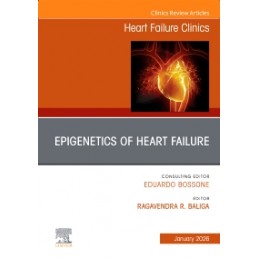
In this issue of Heart Failure Clinics, guest editor Dr. Ragavendra R. Baliga brings his considerable expertise to the topic of Epigenetics of Heart Failure. Top experts in the field explore how chemical modifications to DNA and histones influence gene expression without altering the genetic code, contributing to the development and progression of heart failure. Factors such as DNA methylation, histone modifications, and non-coding RNAs can regulate key pathways involved in cardiac remodeling, inflammation, and fibrosis. Environmental influences like diet, stress, and toxins can also impact these epigenetic changes, potentially worsening heart function. Understanding these mechanisms may lead to novel therapeutic targets for preventing or treating heart failure at the molecular level.
Multiomics Insights into Epigenetic Mechanisms and Their Role as Biomarkers for Acute Coronary Syndrome Epigenetic Therapeutics in Human Heart Failure Epigenetic Regulation in Dilated Cardiomyopathy Pharmacologic and Lifestyle Interventions to Modulate the Epigenome in Heart Failure The Pathogenic Role of the DNA Double-Stranded Breaks in Hereditary Cardiomyopathies Genetics of Thoracic and Thoracoabdominal Aortic Dissections and Aneurysms Genetic Determinants of Response to P2Y 12 Inhibitors and Clinical Implications Pediatric and Familial Genetic Arrhythmia Syndromes: Evaluation of Bidirectional Ventricular Tachycardia-Differential Diagnosis Genetic Risk Stratification in Arrhythmogenic Left Ventricular Cardiomyopathy Emerging Targeted Therapies for Inherited Cardiomyopathies and Arrhythmias
Komentarze (0)
Chwilowo nie możesz polubić tej opinii
Zgłoś komentarz
Czy jesteś pewien, że chcesz zgłosić ten komentarz?
Zgłoszenie wysłane
Twój komentarz został wysłany i będzie widoczny po zatwierdzeniu przez moderatora.





 Dostawa
 Płatność
 Zwroty