- Obniżka

Psychiatria - Gałecki
36 godzin na dobę - Alzheimer

Zamawiaj do paczkomatu

Płać wygodnie

 Dostawa
Wybierz Paczkomat Inpost, Orlen Paczkę, DHL, DPD, Pocztę, email (dla ebooków). Kliknij po więcej
 Płatność
Zapłać szybkim przelewem, kartą płatniczą lub za pobraniem. Kliknij po więcej szczegółów
 Zwroty
Jeżeli jesteś konsumentem możesz zwrócić towar w ciągu 14 dni*. Kliknij po więcej szczegółów
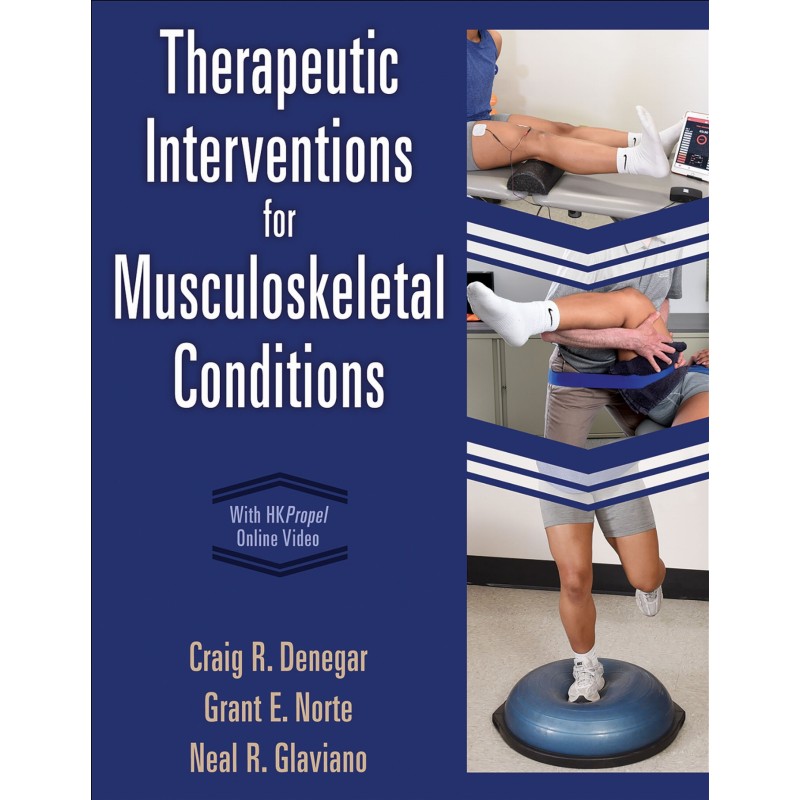
A patient-focused text on interventions for musculoskeletal conditions.
With a modern approach that reaches beyond application of isolated modalities to manage injuries, Therapeutic Interventions for Musculoskeletal Conditions With HKPropel Online Video presents a multimodal perspective on treatment that considers all aspects of the patients experience. This contemporary, patient-centered approach to therapeutic interventions closely resembles clinical practice and offers insights on how and why physical agents, manual therapies, and therapeutic exercises should be applied for an optimal plan of care.
To provide a comprehensive understanding of treatment options and implications, the book features full-color medical illustrations that show joint mechanoreceptors, neurophysiological processes, and physiological responses to interventions. Students can also refer to 24 related online videos that demonstrate how to apply evidence-based therapeutic interventions for musculoskeletal conditions, including the use of physical agents, manual therapy, and neuromuscular reeducation.
Therapeutic Interventions for Musculoskeletal Conditions features a case study that builds upon itself in each part, taking the student from the beginning of a plan of care at the initial evaluation of an injury and through the various steps and progressions of treatment. This unique approach helps the student see how interventions can be implemented, progressed upon, and used in conjunction with each other.
Split into five parts, each section of Therapeutic Interventions for Musculoskeletal Conditions walks students through a phase of patient recovery::
Students and professionals alike will develop stronger decision-making skills when determining the safest and most effective use of different treatment methods with Therapeutic Interventions for Musculoskeletal Conditions.
Note:: A code for accessing online videos is included with all new print books.
Opis
Part I. Clinical Reasoning
Chapter 1. Patient Examination and Evaluation
Defining the Problem
The Diagnostic Process
Biopsychosocial Models of Health
Patient Self-Report Instruments
Psychological Considerations in Musculoskeletal Care
Summary
Chapter 2. Developing the Plan of Care
Clinical Decision Making
Steps in Developing the Plan of Care
Goal Setting With the SMART Framework
Selecting the Appropriate Intervention
Documentation when Developing a Plan of Care
Summary
Part II. Pain
Chapter 3. Pain Transmission, Sensation, and Signal Modulation
Introduction to Pain
The Pain Experience
Acute, Persisting, or Chronic Pain
Nociception and Signal Transmission
Pathways for Transmission of Acute Pain
Sensory Integration
Pain Signal Modulation
Summary
Chapter 4. Tissue Injury, Inflammation, Nociception, and Healing
Tissue and Injury
Immediate Response to Injury
Inflammation
Macrophage Function
Inflammation Triggering Nociceptive Pain and Initiating Repair
Tissue Specific Healing
Factors Influencing Tissue Healing
Summary
Chapter 5. Pain Science and Patient Education
Nociplasticity and Sensitization
Explaining Pain
Summary
Chapter 6. Clinical Management of Pain
Cold
Superficial Heating
Transcutaneous Electrical Nerve Stimulation
Manual Therapies
Therapeutic Ultrasound
Laser
Summary
Chapter 7. Pain Management and Exercise
Exercise Recommendations and Medical Exercise Therapy
Exercise and Pathological Pain
Exercise Prescription Considerations
Components of Exercise Prescription
Summary
Part III. Restoring Motion
Chapter 8. Impaired Range of Motion
Causes of Impaired Motion
Hypomobility, Joint Health, and Biomechanics
Plan of Care for Motion Restrictions
Summary
Chapter 9. Manual Therapies
Informed Consent, Contraindications, and Precautions
Strain-Counterstrain
Muscle Energy
Massage
Myofascial Release
Instrument Assisted Soft-Tissue Mobilization
Clinical Decisions in Soft-Tissue Techniques
Joint Mobilization
Clinical Decisions in Mobilization Techniques
Exercise
Summary
Chapter 10. Facilitating Motion With Modalities
Superficial Heat
Ultrasound
Diathermy
Summary
Part IV. Neuromuscular Control
Chapter 11. Muscle Weakness, Atrophy, and Neuromuscular Impairment
Origins of Muscle Weakness
Origins of Atrophy
Origins of Impaired Proprioception and Neuromuscular Control
Summary
Chapter 12. Modalities to Facilitate the Restoration of Strength and Neuromuscular Function
Therapeutic Adjuncts to Exercise
Focal Joint Cooling
Transcutaneous Electrical Nerve Stimulation
Neuromuscular Electrical Stimulation
Blood Flow Restriction
Biofeedback
Vibration
Timing Considerations
Summary
Chapter 13. Exercise Prescription to Improve Strength and Neuromuscular Control
Avoiding Common Misconceptions in Therapeutic Exercise Programming
Contemporary Therapeutic Considerations
Emerging Therapeutic Considerations
Integration and Maintenance of the Plan of Care
Summary
Part V. Repair and Mechanobiology
Chapter 14. Mechanical Signaling and Tissue Homeostasis
Foundational Principles and Mechanisms of Mechanobiology
Mechanobiology in Musculoskeletal Tissues
Summary
Chapter 15. Exercise and Physical Agents as Stimuli for Tissue Repair
Tissue Specific Loading Considerations
Physical Agents
Summary