
• Banner

  • Reduced price
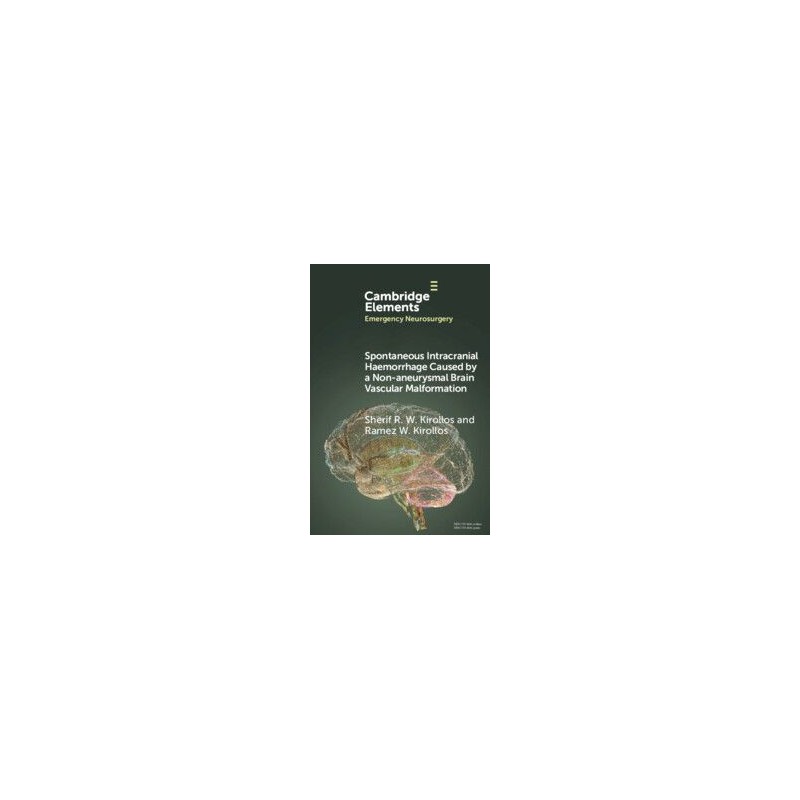
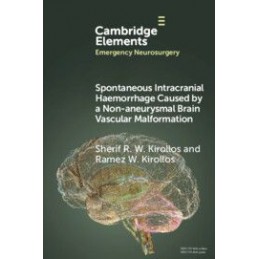
Spontaneous Intracranial Haemorrhage Caused by a Non-aneurysmal Brain Vascular Malformation

Spontaneous Intracranial Haemorrhage Caused by a Non-aneurysmal Brain Vascular Malformation

9781009439374
102,06 zł
91,85 zł Save 10,21 zł Tax included
Lowest price within 30 days before promotion: 91,85 zł
Quantity
Available in 4-6 weeks

  Dostawa

Wybierz Paczkomat Inpost, Orlen Paczkę, DHL, DPD, Pocztę, email (dla ebooków). Kliknij po więcej

  Płatność

Zapłać szybkim przelewem, kartą płatniczą lub za pobraniem. Kliknij po więcej szczegółów

  Zwroty

Jeżeli jesteś konsumentem możesz zwrócić towar w ciągu 14 dni*. Kliknij po więcej szczegółów

Description
Emergency management of intracranial haemorrhage due to AVMs, DAVFs, and cavernomas involves addressing both the haemorrhage consequences and the underlying vascular lesion. Clinical evaluation and diagnostic workup identify factors necessitating urgent intervention and define the vascular lesion. Urgent intervention may involve ICH management with increased ICP or CSF drainage for acute hydrocephalus. Definitive intervention for the vascular lesion may coincide with or follow evacuation of the intracranial haematoma. Careful considerations and precautions are taken independently or concurrently with the vascular lesion. Indications and timing for AVM intervention involve determining the bleeding source, evaluating mass effect, and assessing the utility of existing ICH for microsurgical AVM resection. Modified microsurgical techniques ensure safety. DAVF intervention with ICH or ASDH requires urgent endovascular treatment and surgical nuances. Cavernoma intervention follows straightforward indications and timing, while brainstem cavernomas require careful consideration of early intervention. Aftercare and a team approach are vital.
Product Details
103323
9781009439374
9781009439374

Data sheet

Rok wydania
2025
Numer wydania
1
Oprawa
miękka foliowana
Liczba stron
38
Wymiary (mm)
148.00 x 224.00
Waga (g)
80
  • Introduction; Step 1. Evaluation & Workup; Step 2. Urgent Intervention; Step 3. Definitive intervention in the acute phase; Step 4. Aftercare; Conclusion.
Comments (0)