
• Banner

  • Reduced price
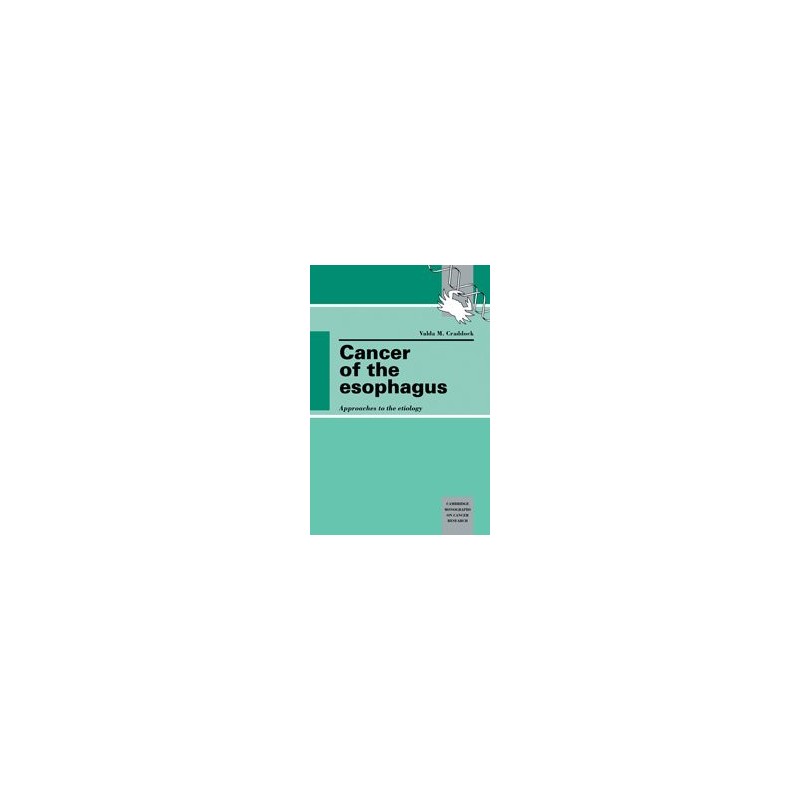
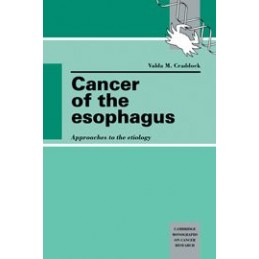
Cancer of the Esophagus: Approaches to the Etiology

Cancer of the Esophagus: Approaches to the Etiology

9780521102582
243,81 zł
219,43 zł Save 24,38 zł Tax included
Lowest price within 30 days before promotion: 219,43 zł
Quantity
Available in 4-6 weeks

  Dostawa

Wybierz Paczkomat Inpost, Orlen Paczkę, DHL, DPD, Pocztę, email (dla ebooków). Kliknij po więcej

  Płatność

Zapłać szybkim przelewem, kartą płatniczą lub za pobraniem. Kliknij po więcej szczegółów

  Zwroty

Jeżeli jesteś konsumentem możesz zwrócić towar w ciągu 14 dni*. Kliknij po więcej szczegółów

Description
The book deals briefly with the normal structure, functioning and biochemistry of the esophagus and with the histological and genetic changes accompanying the development of esophageal cancer in humans and animals. Factors implicated in causing esophageal cancer are described in relation to its very dramatic epidemiology. Thus dietary deficiencies and consumption of foods contaminated by Fusaria mycotoxins are discussed in connection with the extremely high incidence of the disease in certain sharply demarcated regions in China and South Africa, and alcohol and tobacco use are discussed in relation to the epidemiology in Europe and USA. Other hazards mentioned include opium in Iran, betel nut in Asia and bracken in Japan. The sole group of chemicals known to be very potent esophageal carcinogens in animal experiments, the nitrosamines, are described especially in terms of the widespread human exposure.
Product Details
97147
9780521102582
9780521102582

Data sheet

Rok wydania
2009
Numer wydania
1
Oprawa
miękka foliowana
Liczba stron
300
Wymiary (mm)
152.00 x 229.00
Waga (g)
440
  • 1. Introduction: the problem, incidence, etiology. A working hypothesis; 2. Biology of the esophagus; 3. Esophageal carcinogenesis; 4. Epidemiology; 5. Chemicals carcinogenic for the esophagus: the nitrosamines; 6. Alcoholic beverages and tobacco; 7. Plant products: phenolics, tannins, tea; 8. Plant products: opium, silica, bracken, dihydrosafrole; 9. Molds and mycotoxins; 10. Dietry deficiencies: micronutrients, fresh plant food and protective factors; 11. Possible mechanisms involved in carcinogenesis.
Comments (0)