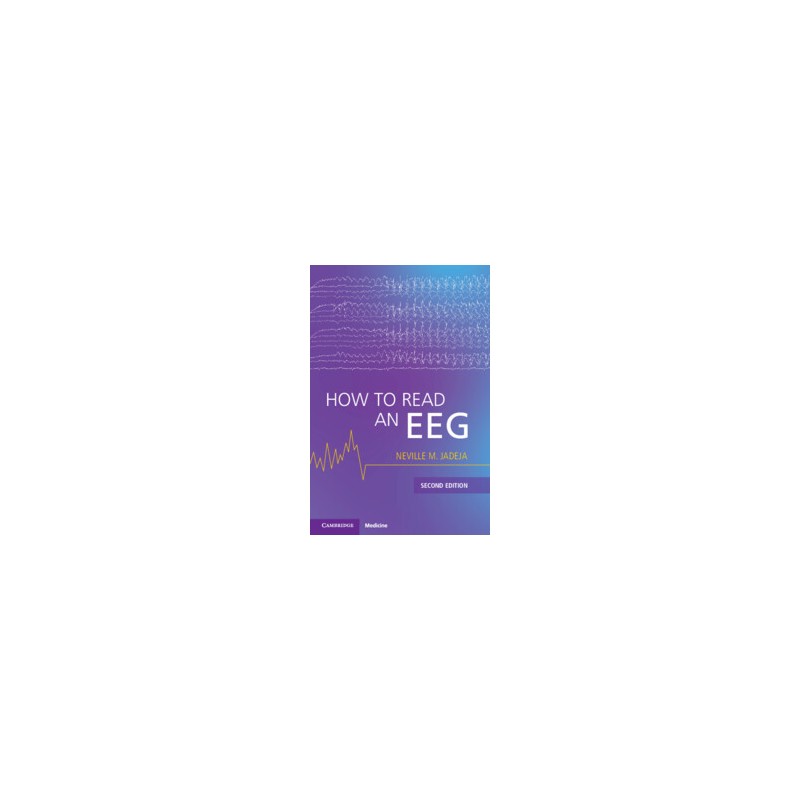
The EEG is a widely available neurophysiological test that, if interpreted correctly, provides valuable insight into brain function. Thoroughly revised for its second edition, this book demystifies their interpretation using a systematic approach that will benefit those looking to learn the art and science of EEG interpretation. Presented in three sections, the first delivers the foundational technical knowledge of how EEGs work, the second concentrates on a stepwise approach to analysing waveforms. The third section contains examples of EEGs in common scenarios, enabling readers to correlate their findings with clinical indications. Report writing is covered in depth in the appendix. Heavily illustrated with over 200 actual EEG examples, this is an essential handbook for all those seeking to learn and practice EEG reading. Perfect for residents, fellows, medical students on neurology/EEG electives, neurodiagnostic technologists, and experienced neurologists interested in an EEG refresher.
Part I. Basics: 1. Introduction; 2. Polarity and Montages; 3. Localization; 4. Frequency and Rhythm; 5. Maturation; 6. Normal Adult EEG; Part II. Interpretation: 7. Approach to EEG Reading; 8. Describing Abnormalities; 9. Artifacts; 10. Normal Variants; 11. Sporadic Abnormalities; 12. Repetitive Abnormalities; 13. Ictal Patterns (electrographic seizures); 14. Activation Procedures; Part III. Specific Conditions: 15. Seizure mimics; 16. Types of Seizures; 17. Epilepsy; 18. Epilepsy Syndromes; 19. Lesions and Encephalopathy; 20. Status Epilepticus; 21. Post Cardiac Arrest.


 Dostawa
 Płatność
 Zwroty