
• Banner

  • Reduced price
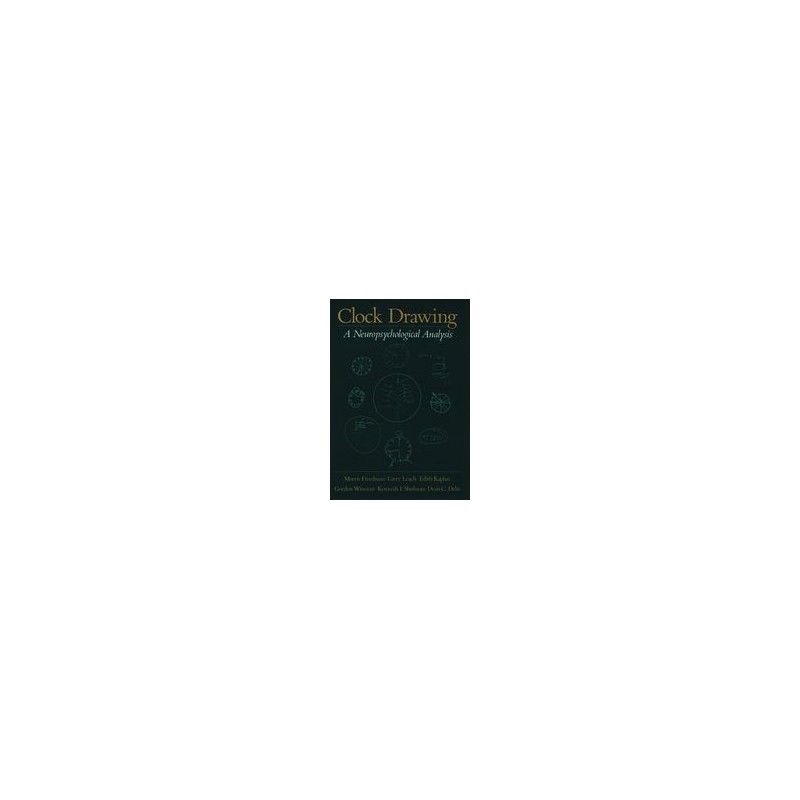
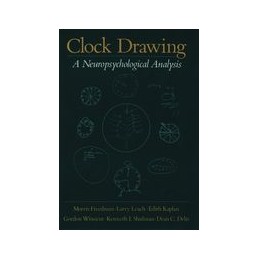
Clock Drawing

Clock Drawing

A Neuropsychological Analysis

9780195059069
321,30 zł
305,23 zł Save 16,07 zł Tax included
Lowest price within 30 days before promotion: 305,23 zł
Quantity
Product unavailable
Out of print

  Dostawa

Wybierz Paczkomat Inpost, Orlen Paczkę, DHL, DPD, Pocztę, email (dla ebooków). Kliknij po więcej

  Płatność

Zapłać szybkim przelewem, kartą płatniczą lub za pobraniem. Kliknij po więcej szczegółów

  Zwroty

Jeżeli jesteś konsumentem możesz zwrócić towar w ciągu 14 dni*. Kliknij po więcej szczegółów

Description
Written by a multi-disciplinary team of experts in neurobehaviour, this concise, well-illustrated book provides long-awaited normative data on clock drawing from ages 20 to 90 years.A practical guide to the quantitative assessment of clock drawing, it also takes a process-oriented approach to qualitative impairment. The authors discuss clock drawing as a neuropsychological test instrument and the rationale for selecting specific time settings, as well as the basis for using different clock conditions.The book contains numerous examples of clocks drawn by patients with cognitive impairment due to dementia, metabolic encephalopathy, traumatic brain injury, disconnection syndrome and focal brain lesions. Insight into changes in clock drawing ability that may represent the earliest markers of cognitive decline in dementia are also presented. This volume will be of interest to clinicians and researchers in neuropsychology, neurology, psychiatry, geriatric medicine, language therapy, andoccupational therapy. It offers readers normative data on the clock drawing task, guidelines for administration and scoring, and a rich selection of clock drawings that illustrate the abnormalities commonly encountered in clinical practice and research.
Product Details
OUP USA
84439
9780195059069
9780195059069

Data sheet

Rok wydania
1994
Numer wydania
1
Oprawa
twarda
Liczba stron
192
Wymiary (mm)
171 x 242
Waga (g)
494
  • Introduction; Normative study; Dementia and related disorders; Well elderly in seniors residence; Focal brain damage;
Comments (0)